A vending machine that takes payment in the form of exercise
A vending machine that takes payment in the form of exercise
A vending machine that takes payment in the form of exercise
A vending machine that takes payment in the form of exercise
A design to encourage body movement & counter the effects of prolonged sitting offering long term health benefits.
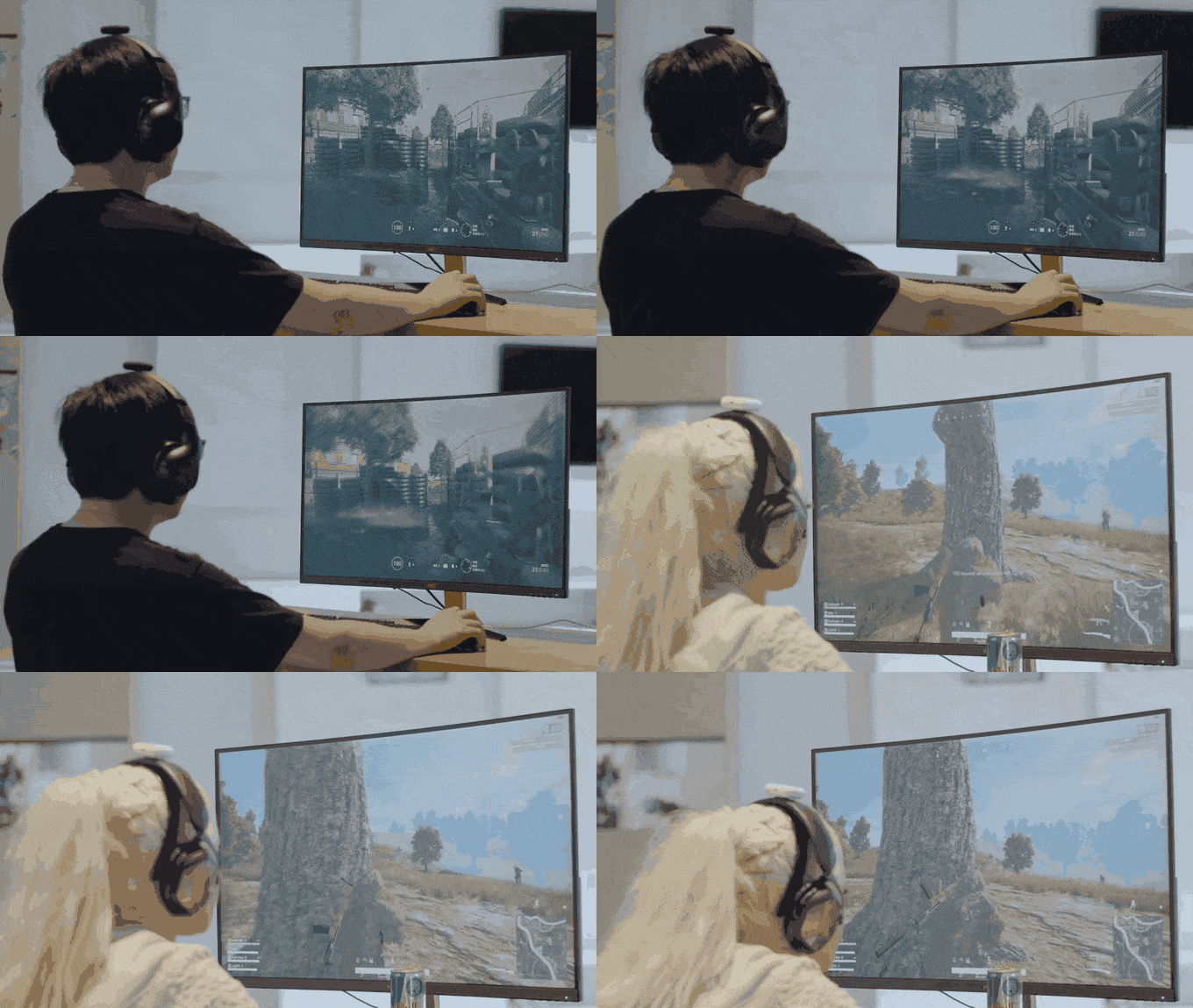
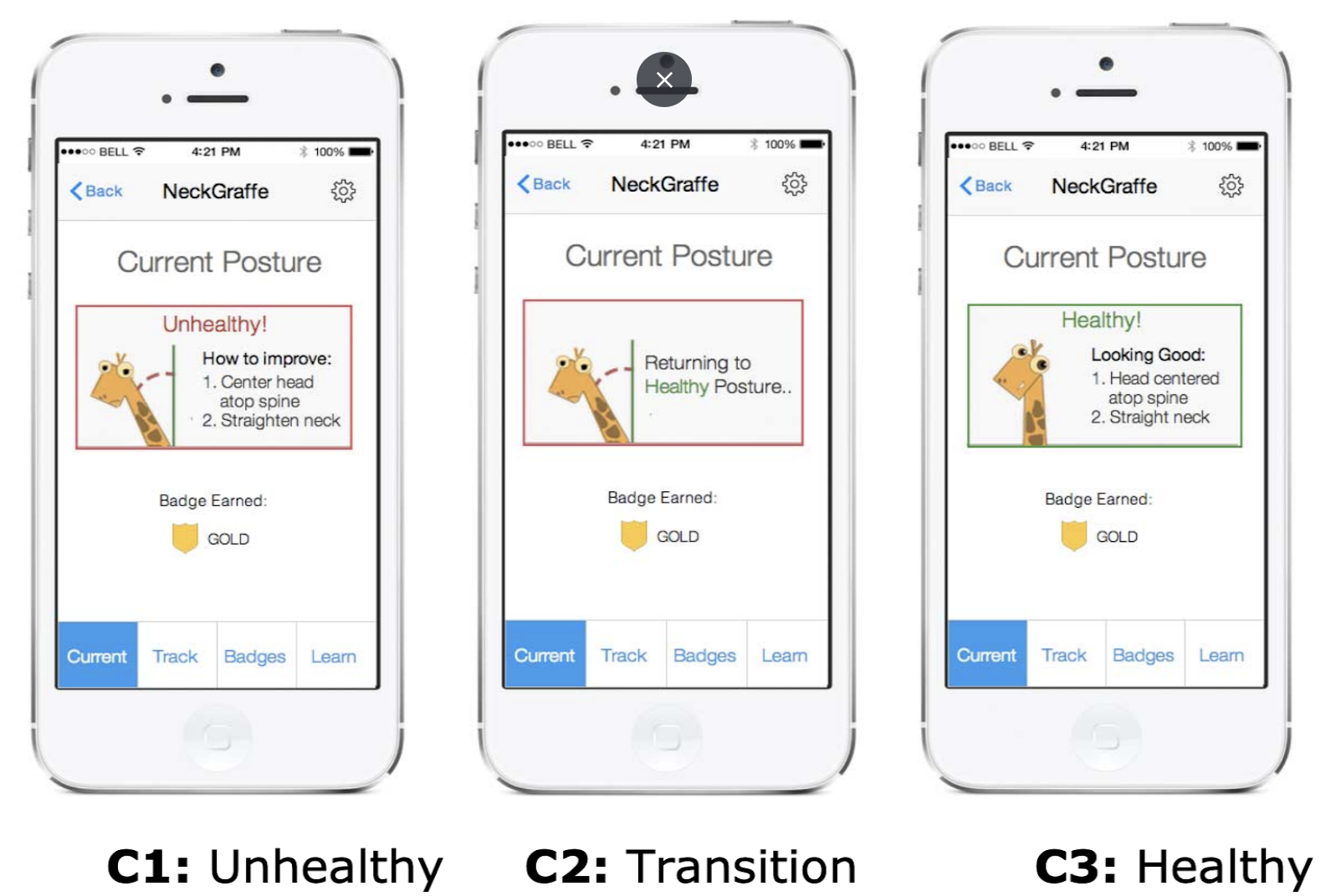
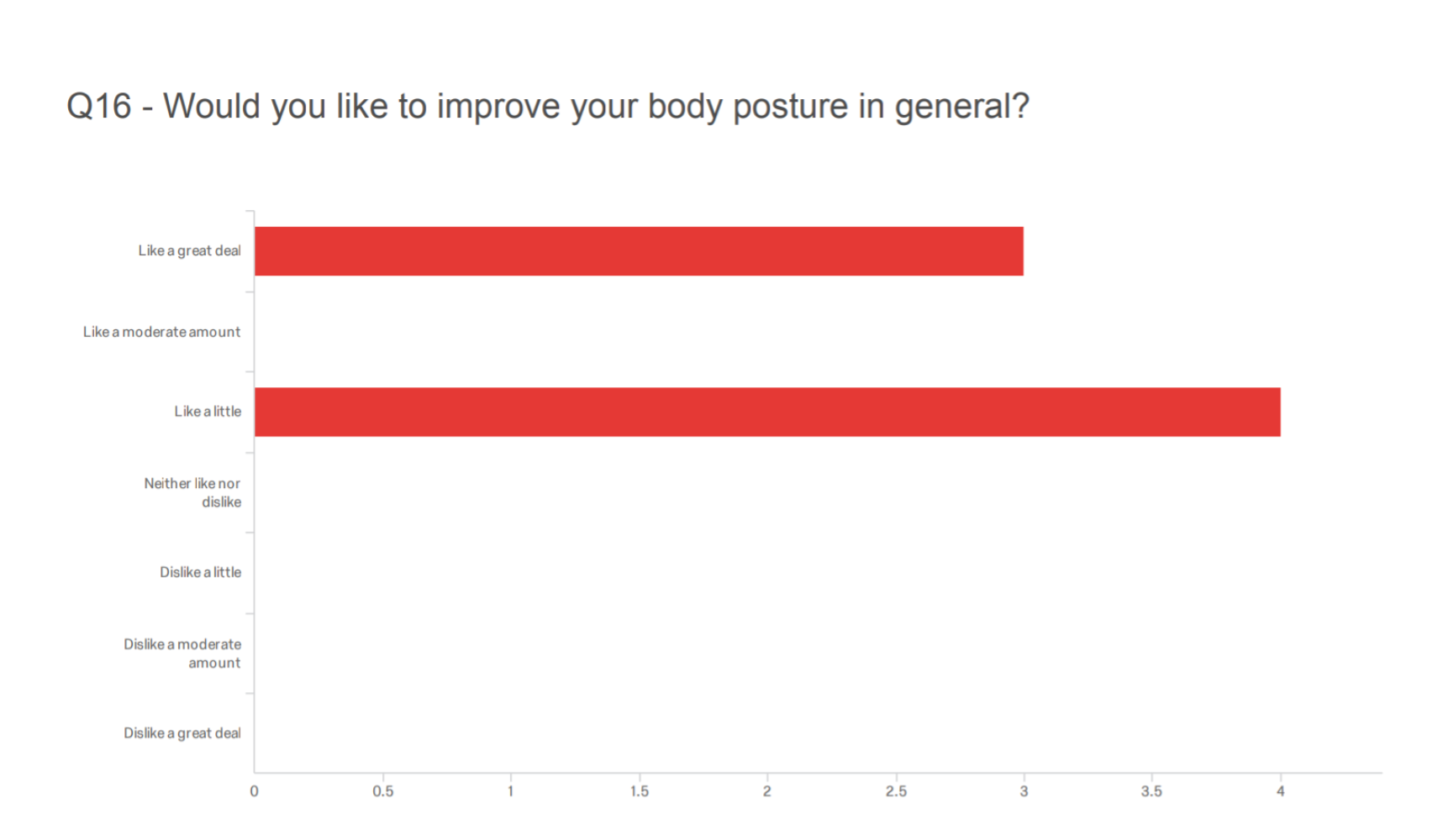
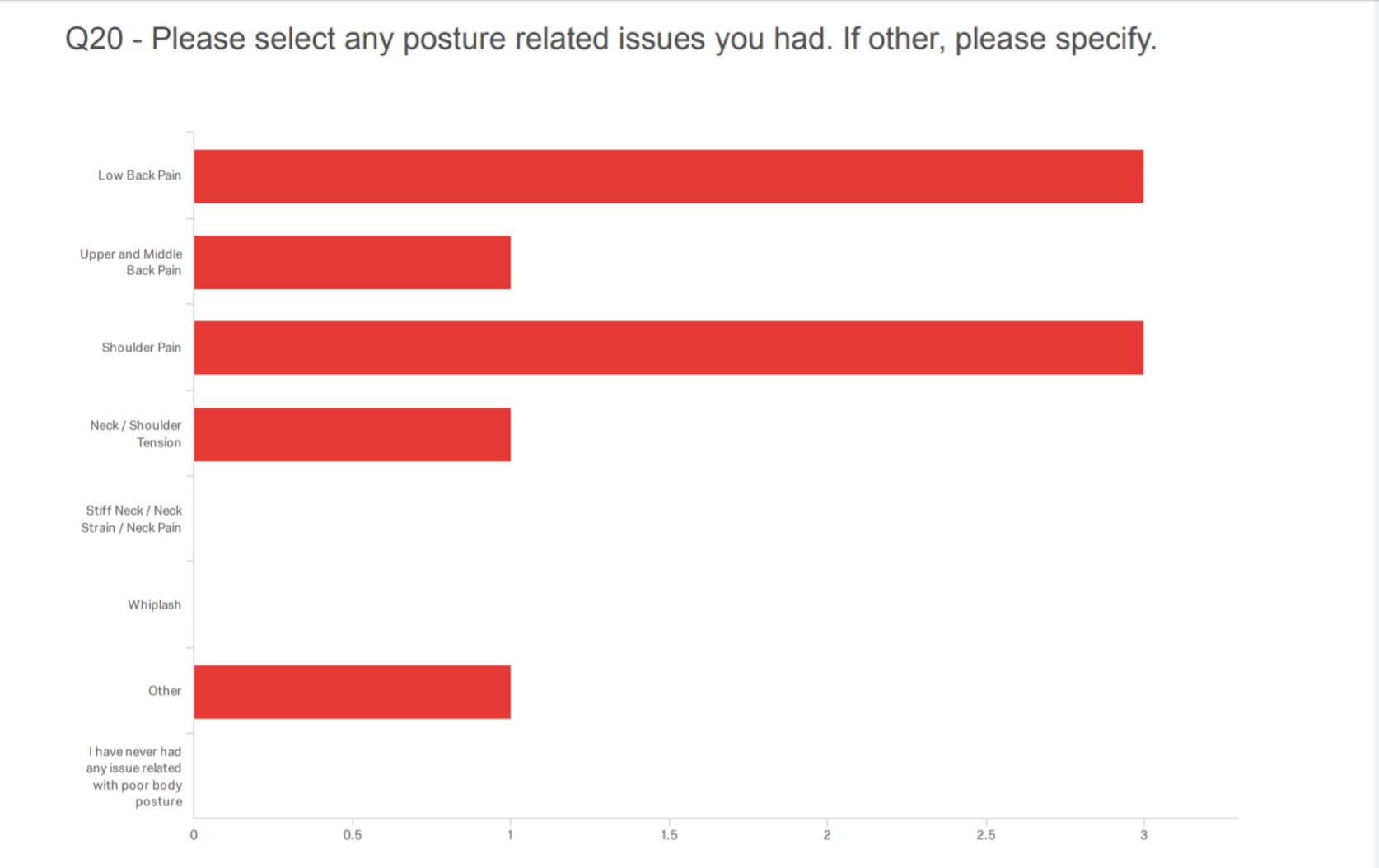
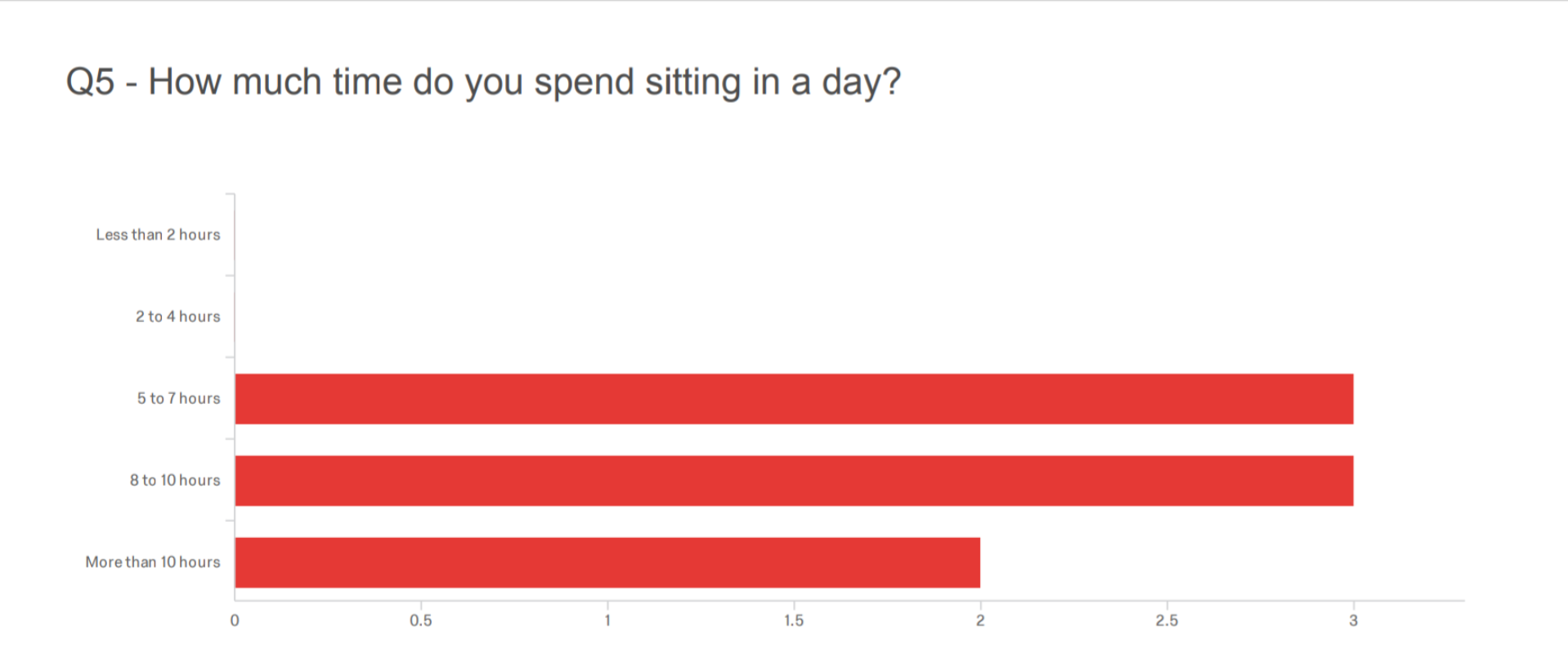
This project explores issues related to body posture and ways to improve it. Research led us to discover that prolonged sitting is a major cause for problems like obesity, anxiety, body posture and pain.
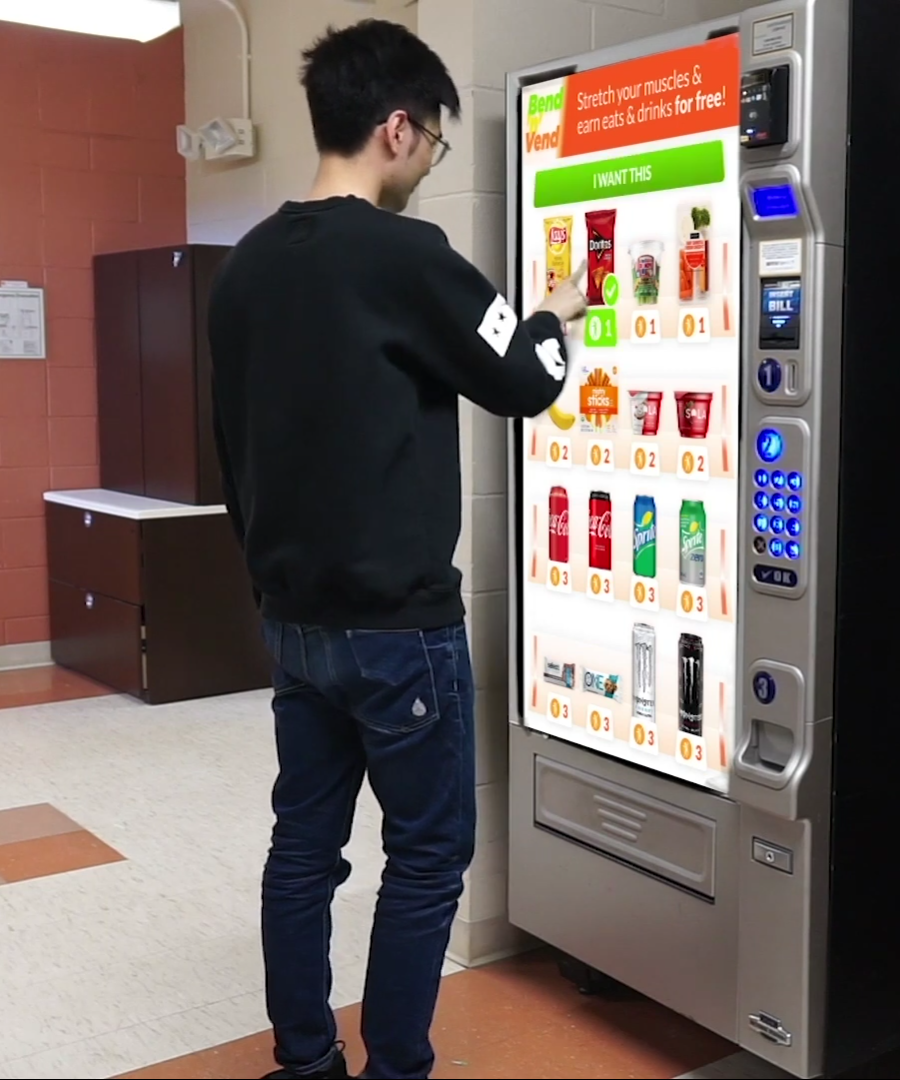
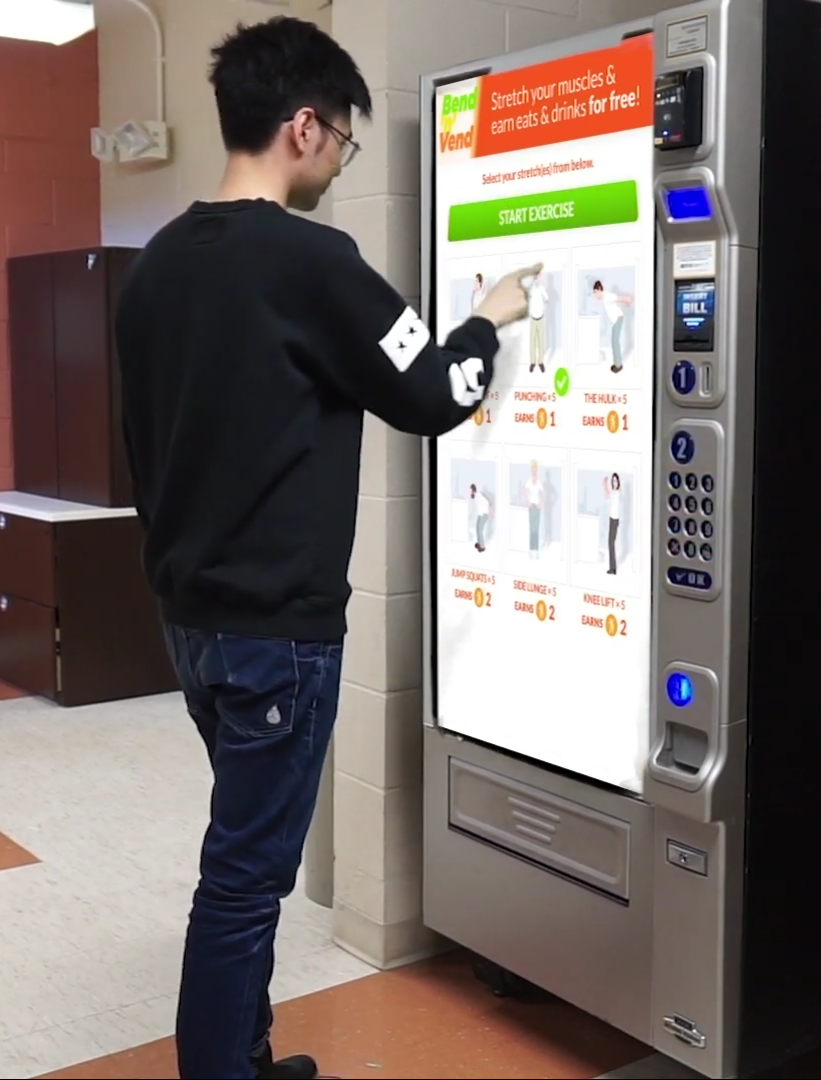
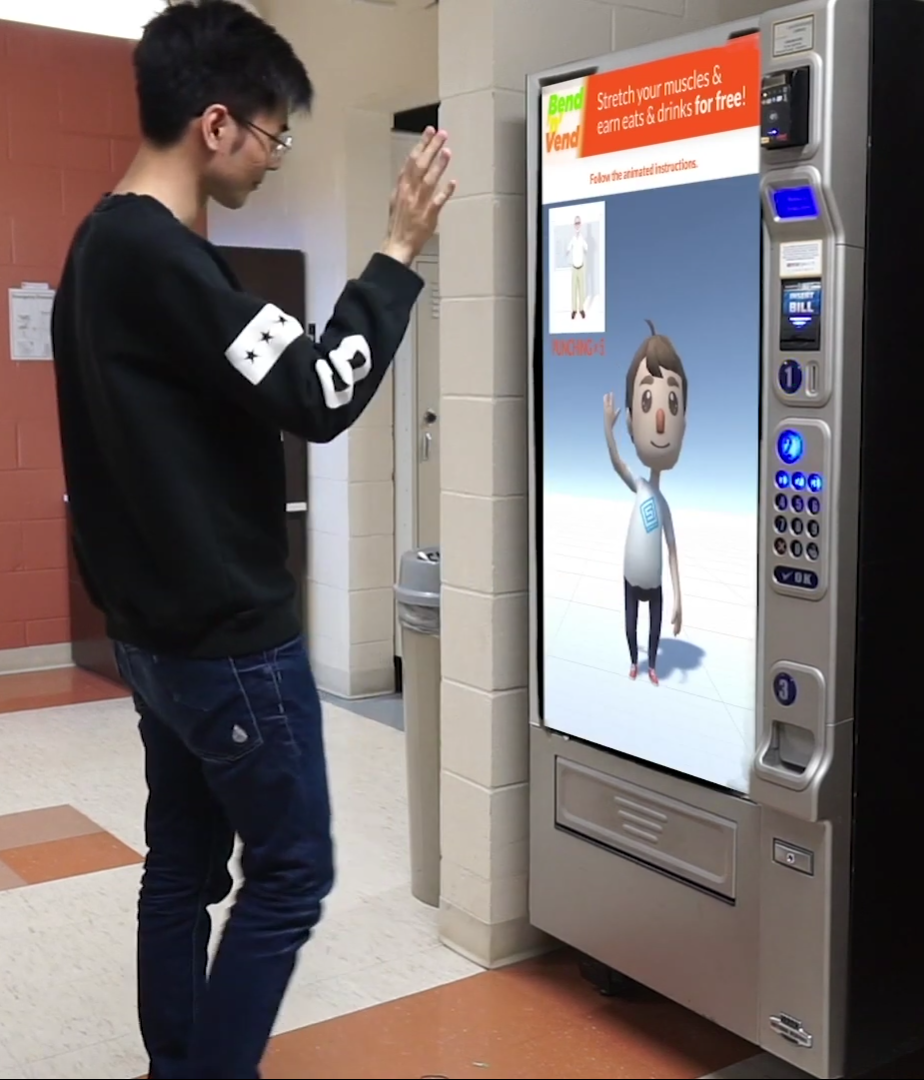
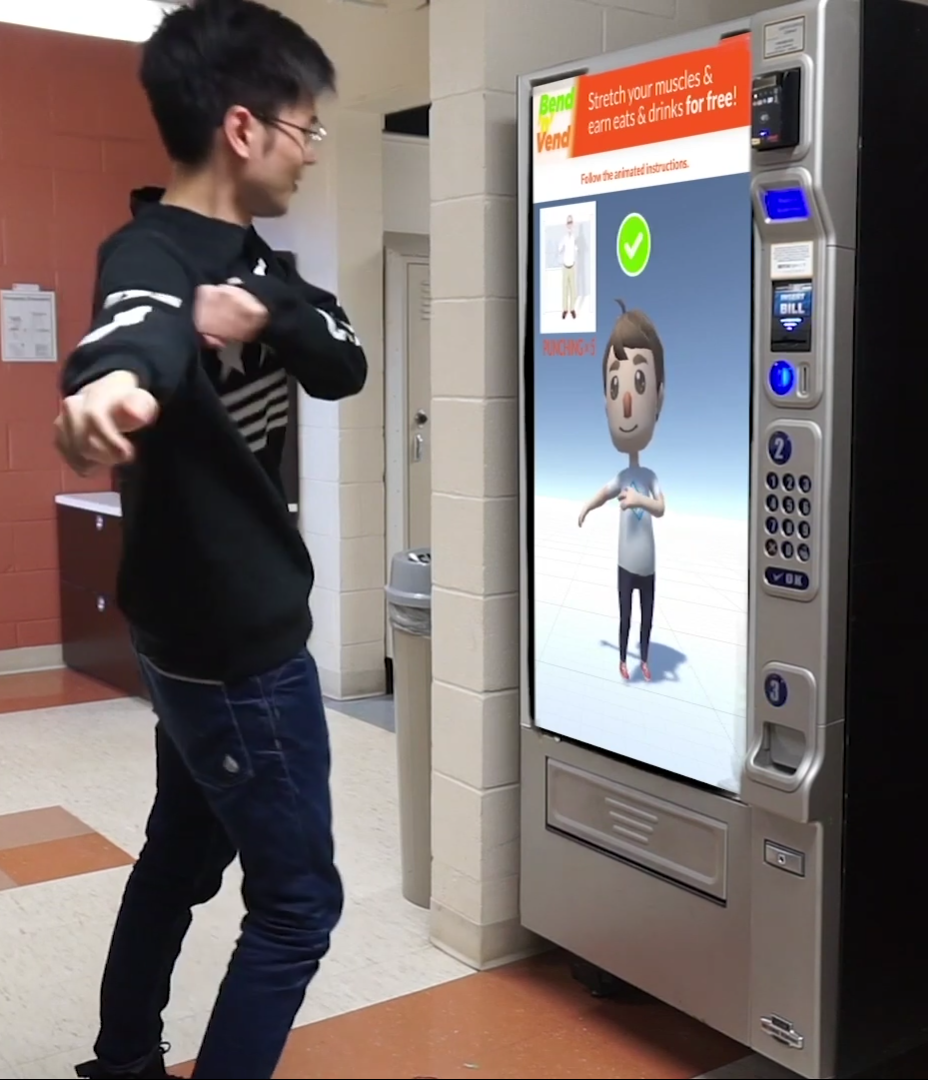
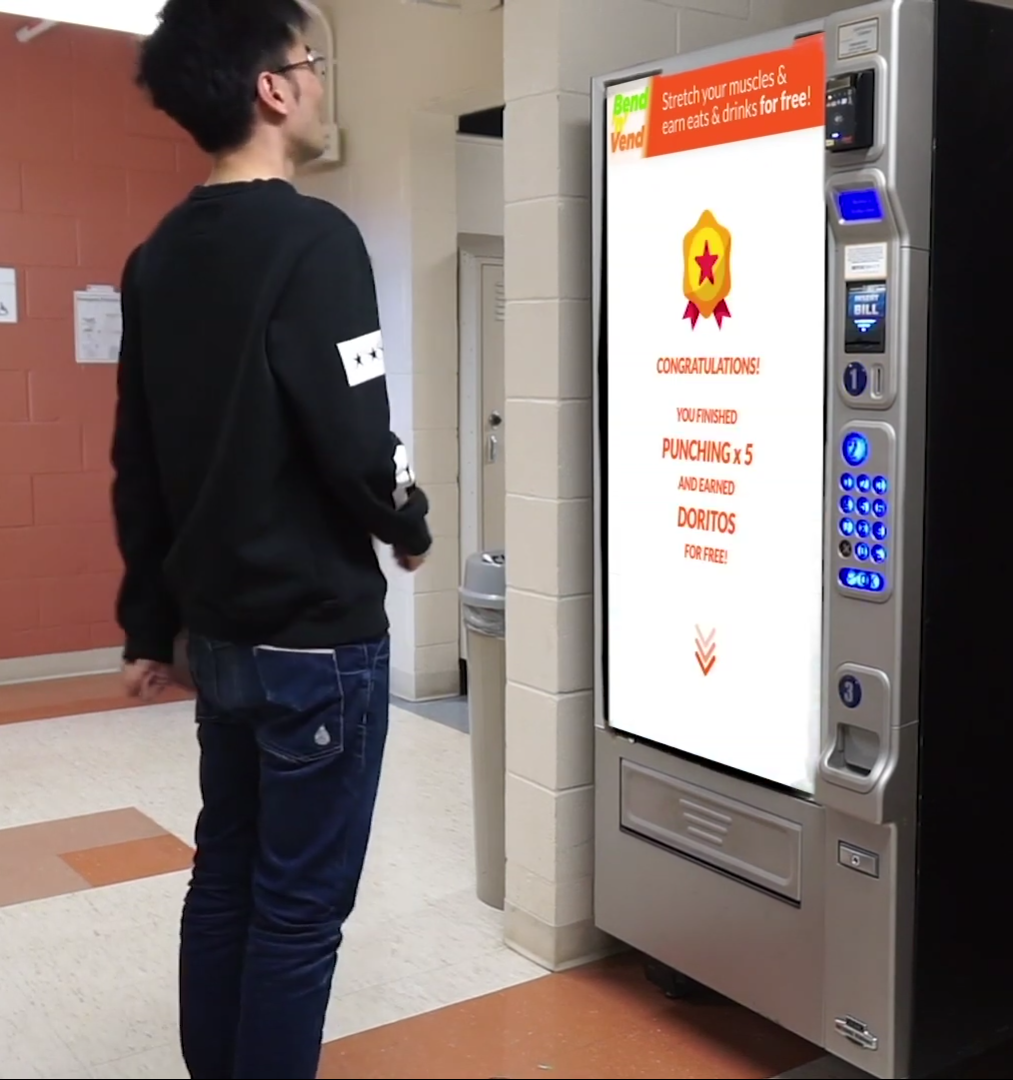
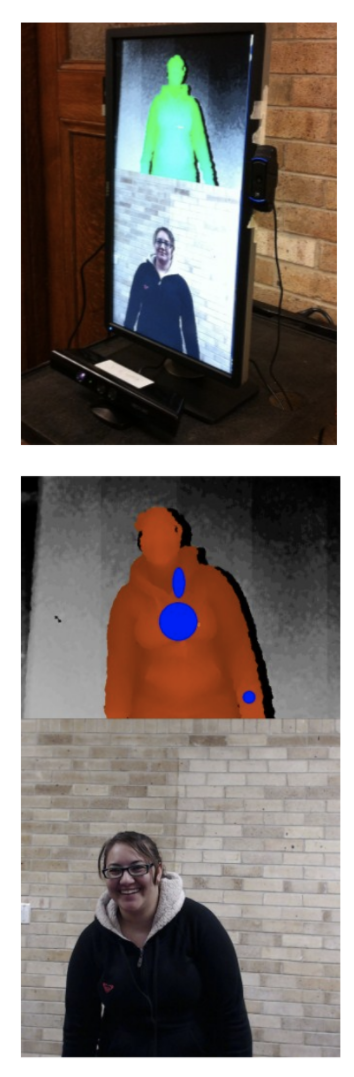
Our proposed design is a Vending Machine called Bend ‘N’ Vend which can be used to get free food and snacks by doing simple exercises. The purpose of Bend ‘N’ Vend is to break people’s sedentary habits and encourage movement. This can be while at work, at an academic institution or some other location. Bend ‘N’ Vend offers interactivity, incentives and long term health benefits thus being an ideal addition to any shared space.
Design to encourage body movement & counter the effects of prolonged sitting
This project explores issues related to body posture and ways to improve it. Research led us to discover that prolonged sitting is a major cause for problems like obesity, anxiety, body posture and pain.
Our proposed design is a Vending Machine called Bend ‘N’ Vend which can be used to get free food and snacks by doing simple exercises. The purpose of Bend ‘N’ Vend is to break people’s sedentary habits and encourage movement. This can be while at work, at an academic institution or some other location. Free food is provided as an incentive to get people to use the Vending Machine. Bend ‘N’ Vend offers interactivity, incentives and long term health benefits thus being an ideal addition to any shared space.
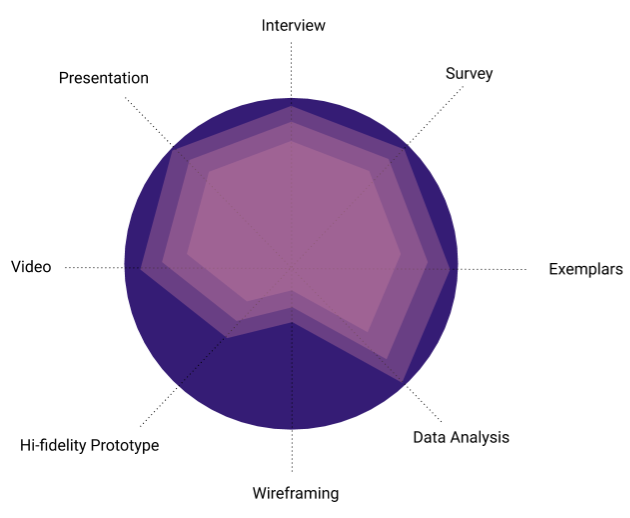
Come up with early concepts and ideas to motivate the design direction.
Identifying and recruiting participants for research is complex. Have a plan and backup plan for it.
Surveys are quick and effective. But it also depends on how it is planned, built and evaluated.
Show and tell. Bring things - exemplars, sketches, slides, survey results, anything to show in class and meetings to spark discussions.
.png)

.png)
.png)
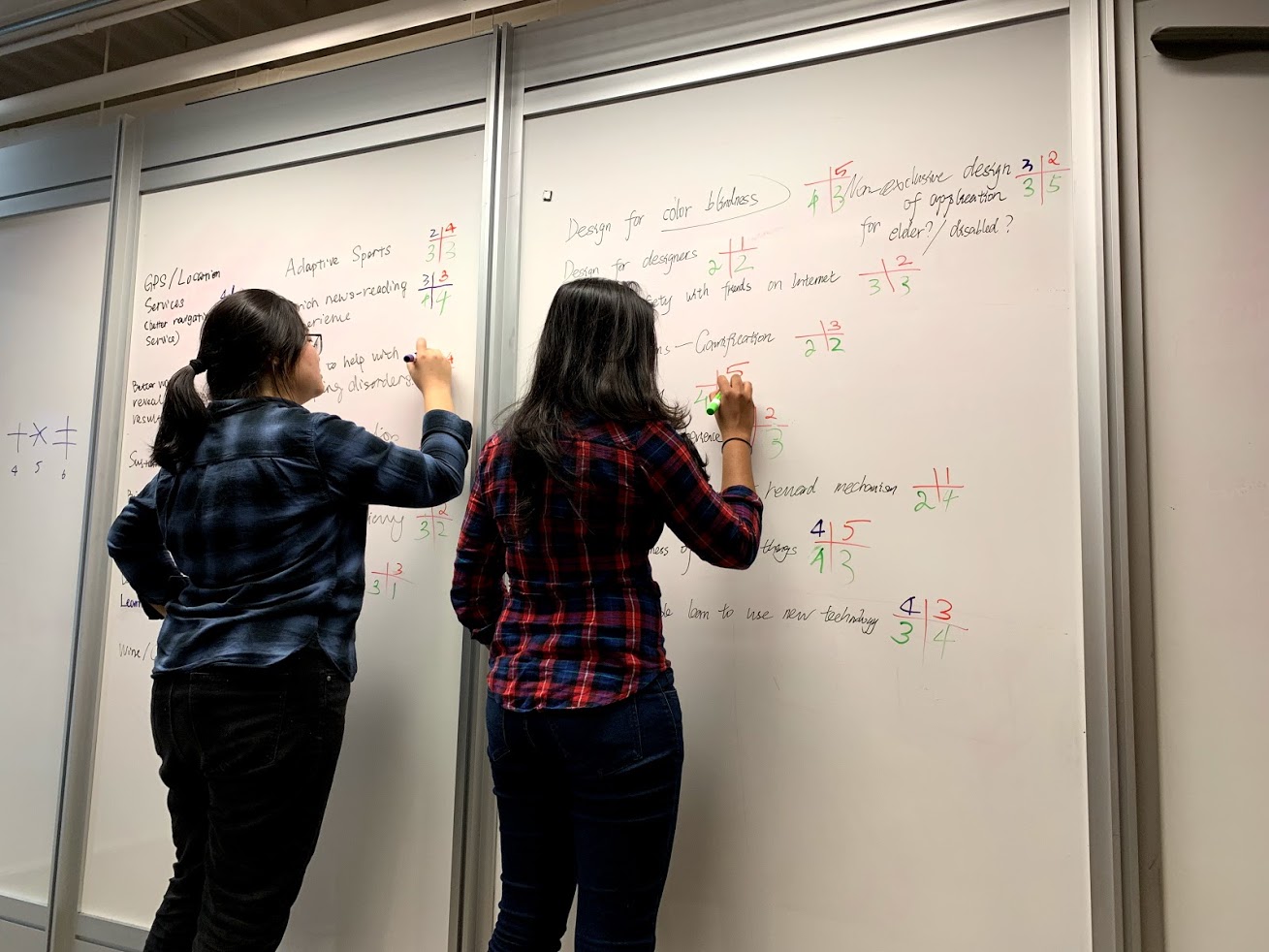
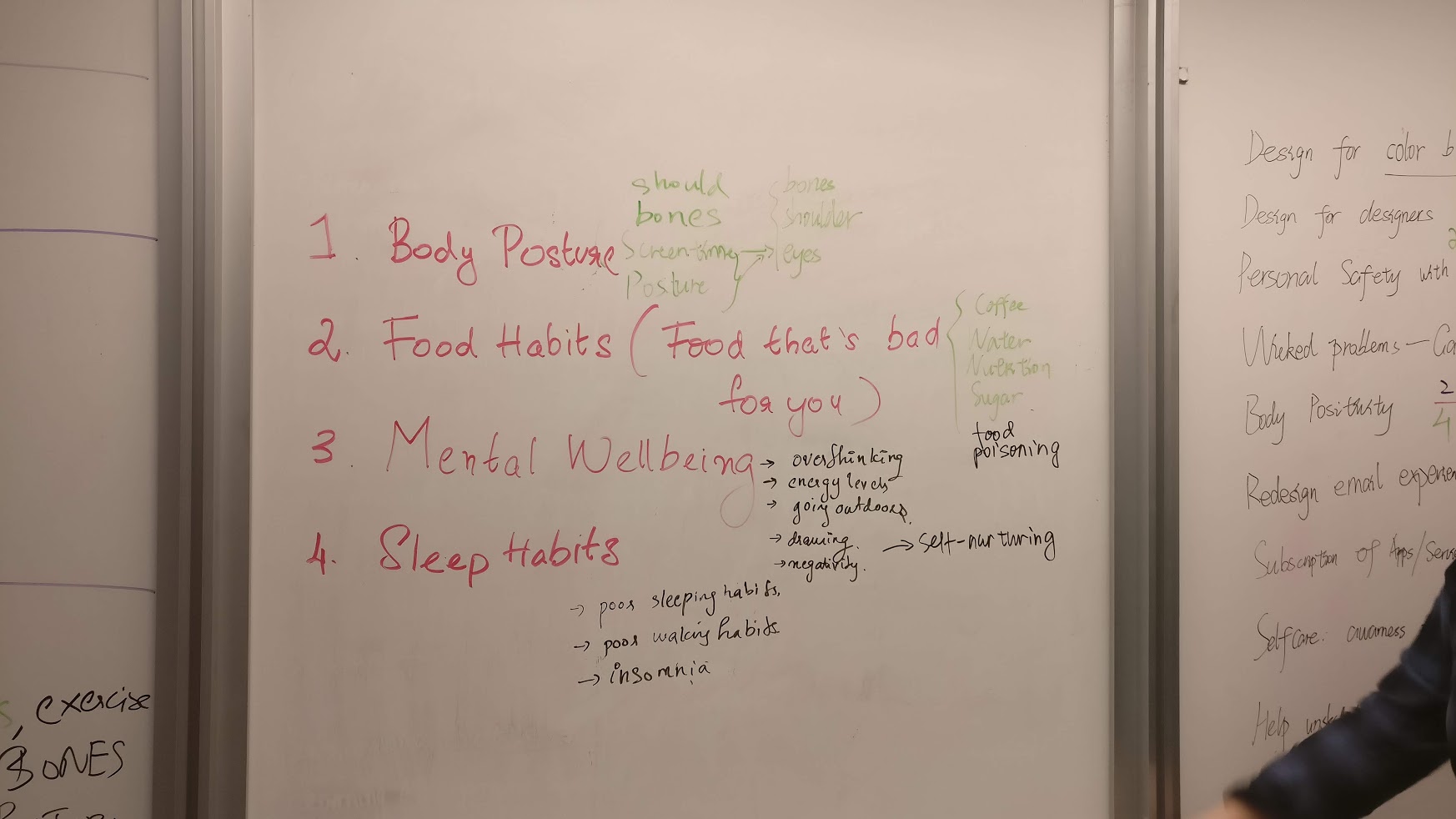
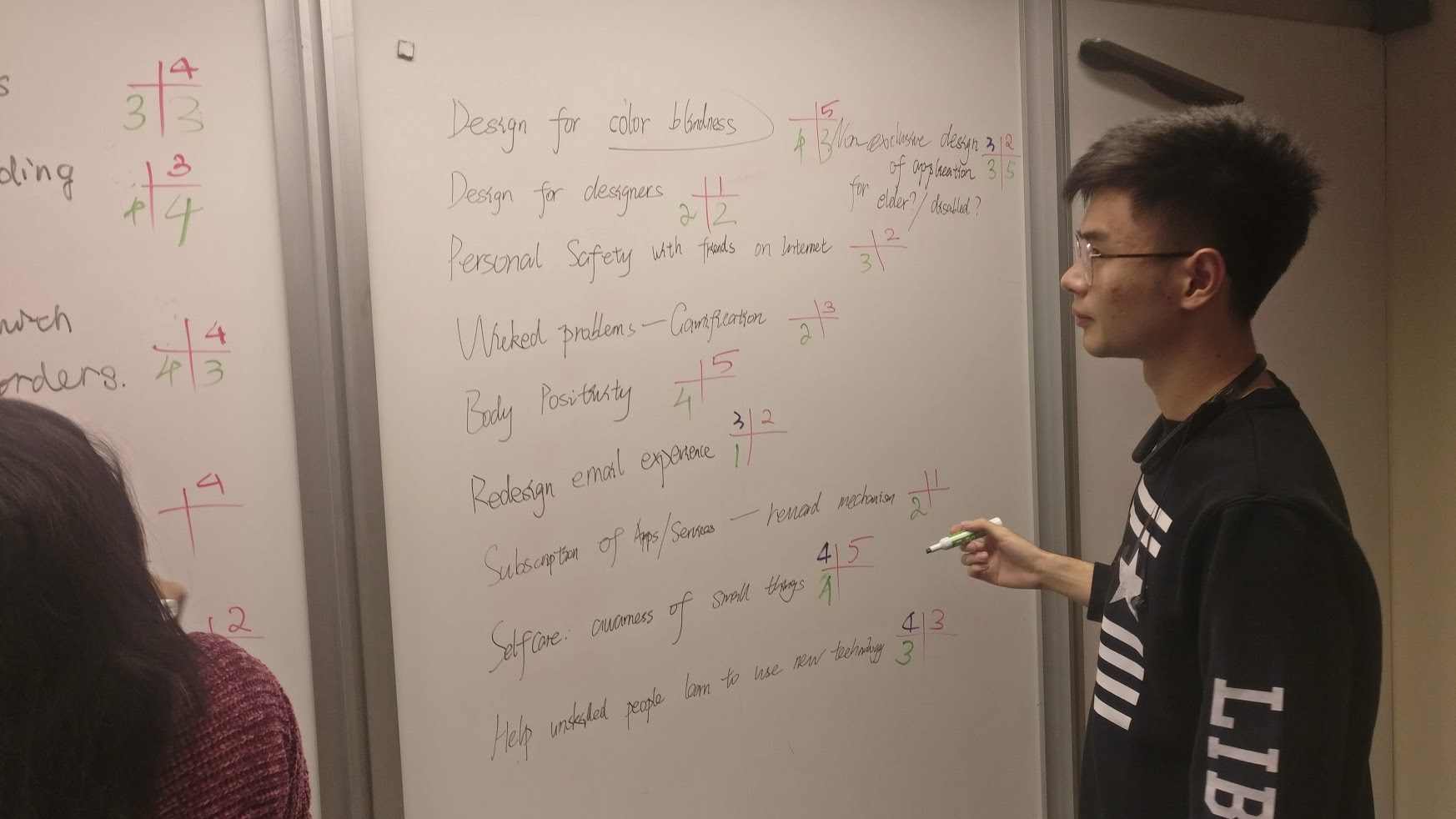
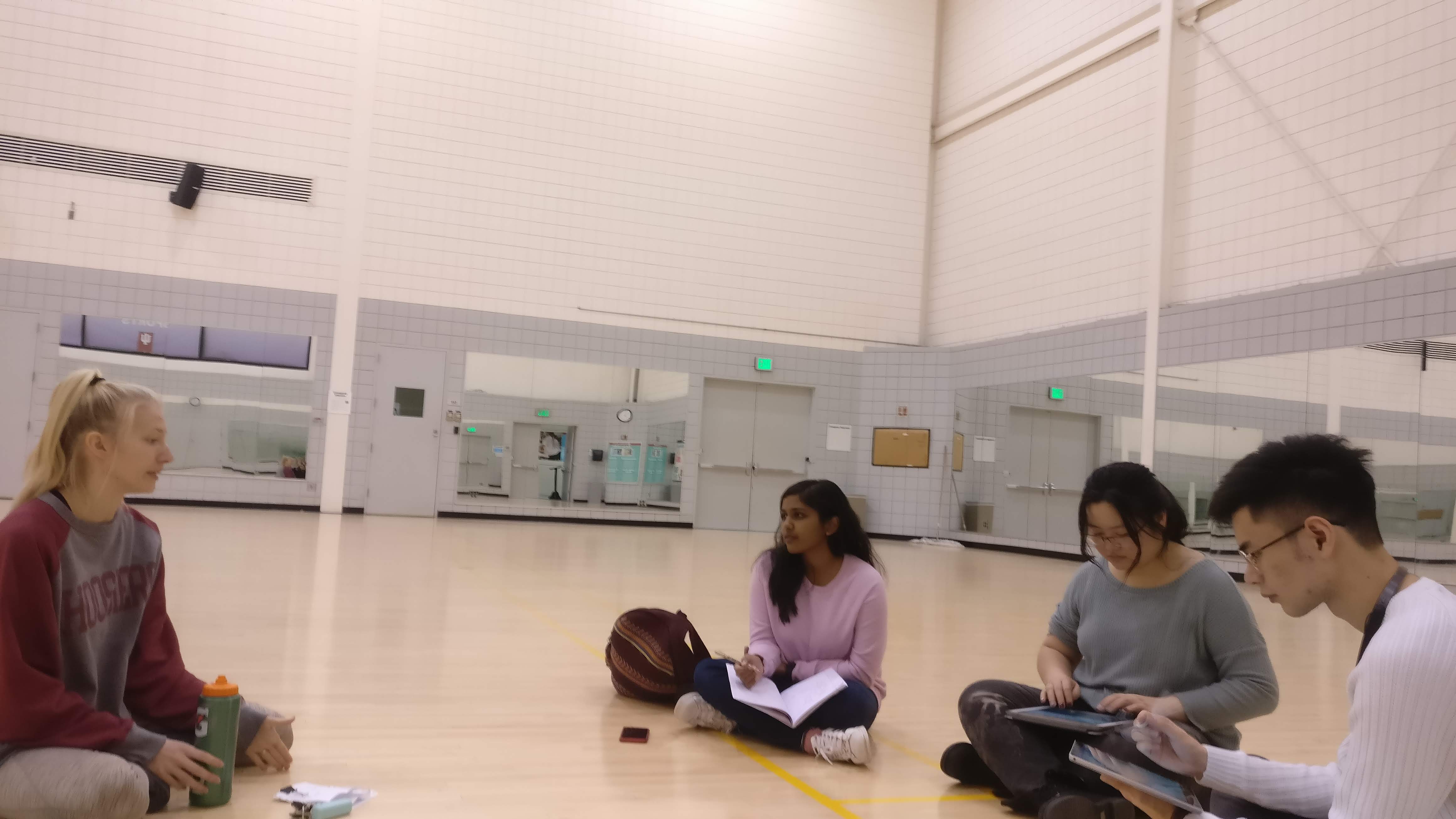
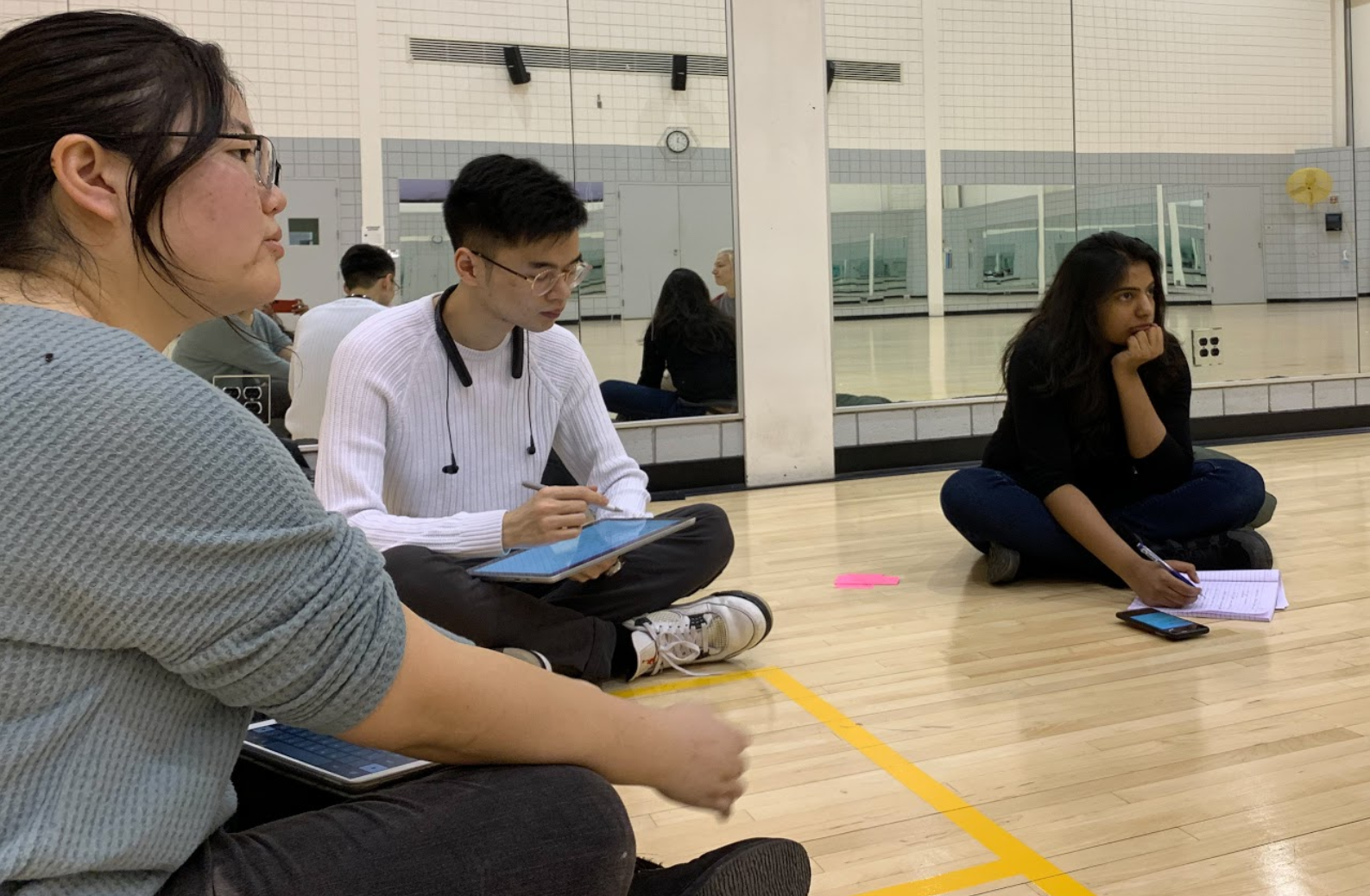
For this project Ash, Jessie, Boyu and I first listed down all the possible spaces we are interested in since there was no space assigned to us. We took a few days to do initial research on our areas of interest and came together as a team to share our findings. Once we had a fair understanding on each others topics we used point system to choose our potential problem space. Our main areas of interest were body posture, food habits, mental well being and sleep habits. As grad students ourselves juggling our studies and part time jobs we don't get a lot of time to focus on our health and well-being which in turn cause body posture issues. We were already in a position to empathize with the users. We were able to relate to the topic of body posture and chose that as our design space.
For this project Ash, Jessie, Boyu and I first listed down all the possible spaces we are interested in since there was no space assigned to us. Our main areas of interest were body posture, food habits, mental well being & sleep habits. As grad students ourselves juggling our studies and part time jobs there is a lack of focus on our health and well-being which in turn cause body posture issues. We were already in a position to empathize and we were able to relate to the topic of body posture and chose that as our design space.





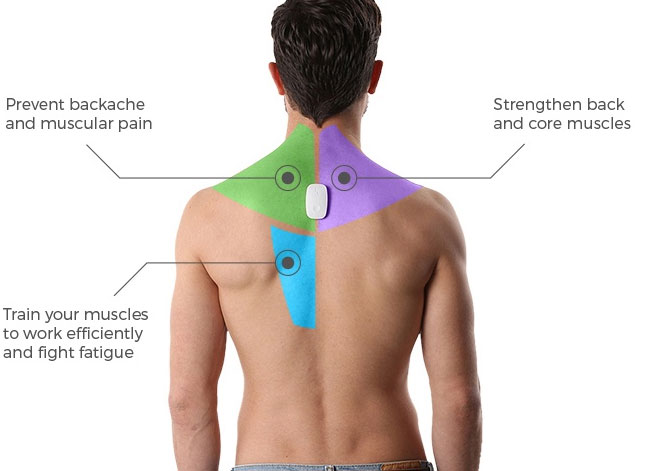
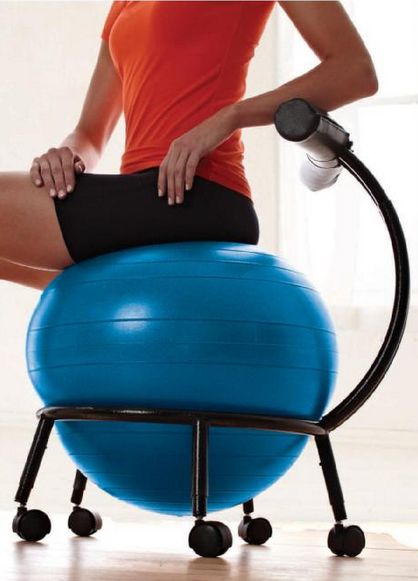
Insight 1. Poor ergonomics of seating furnitureShow Research Details
Insight 2. Prolonged Sitting
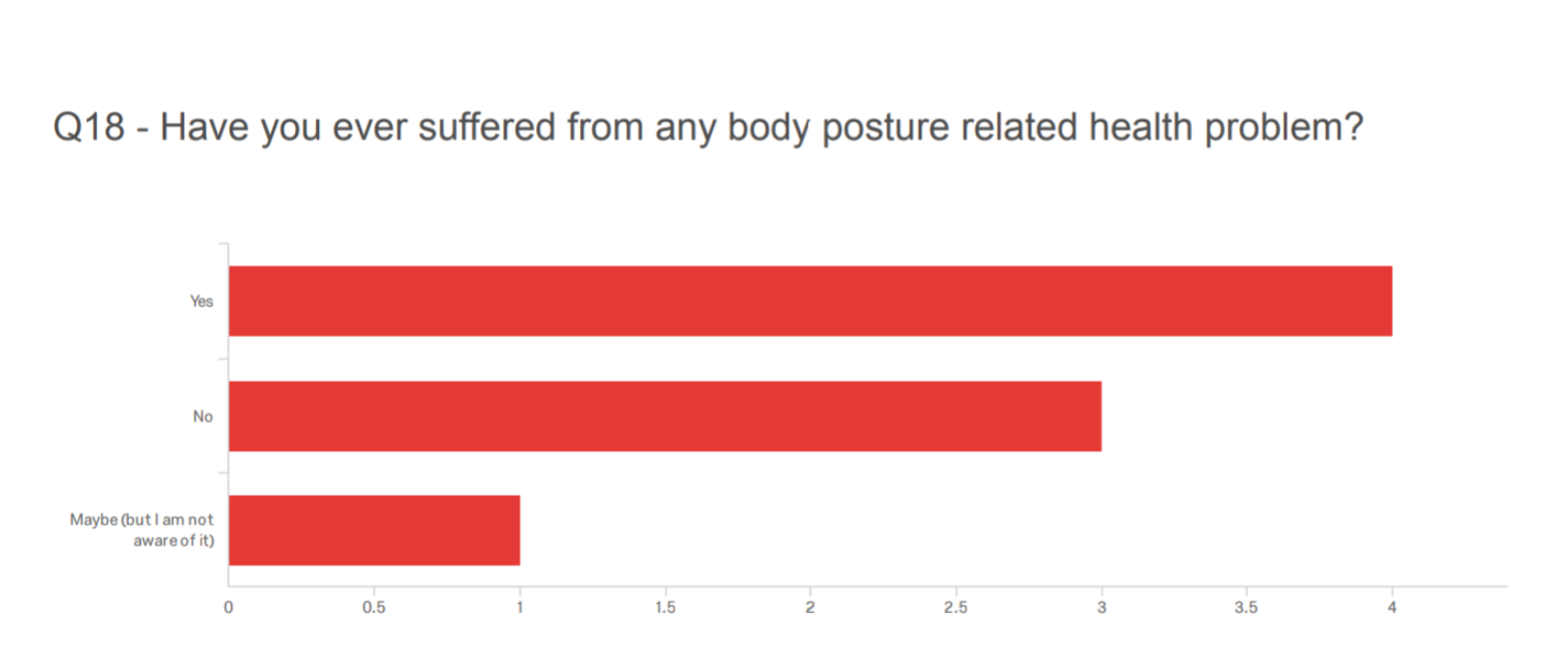
Insight 3. Lack of exercise and movement


What if...
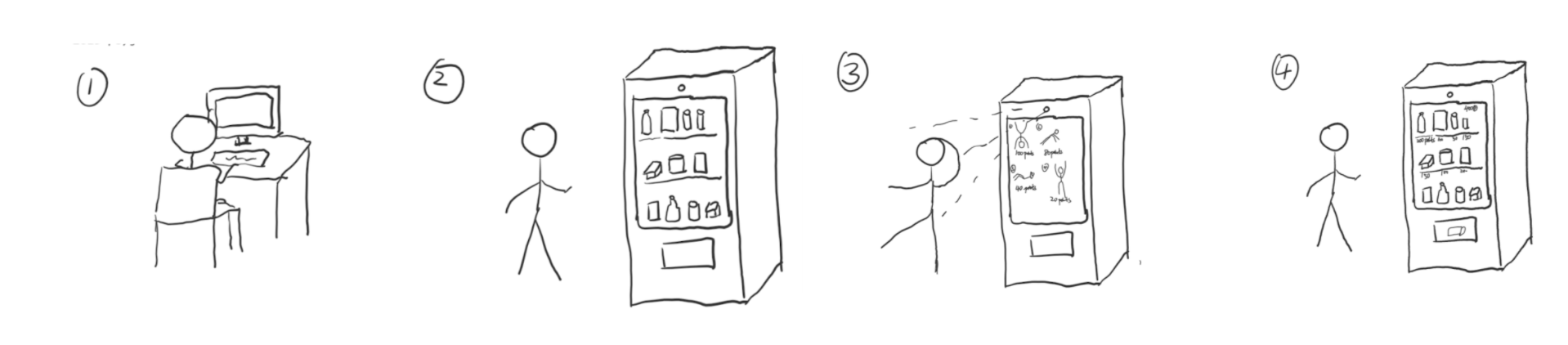
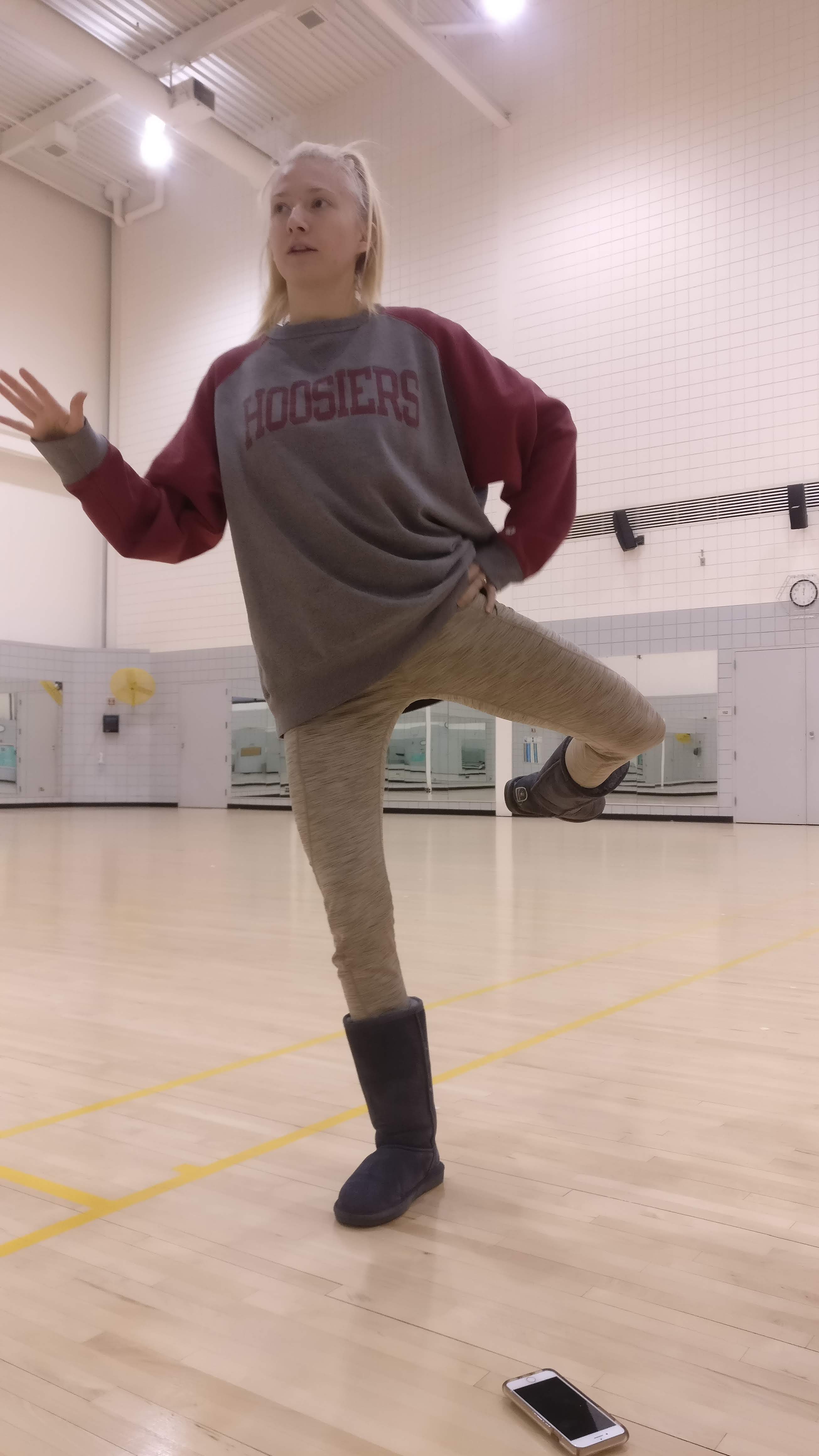
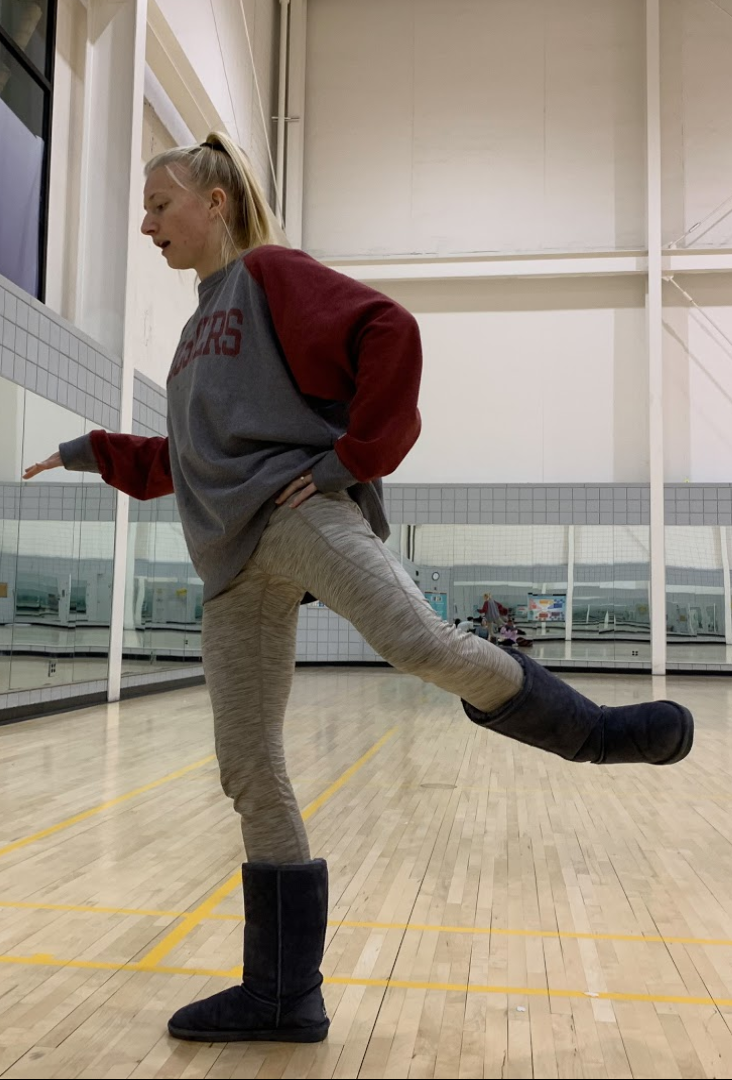
You could pick up free snacks by doing a couple of simple stretching exercises?
.png)
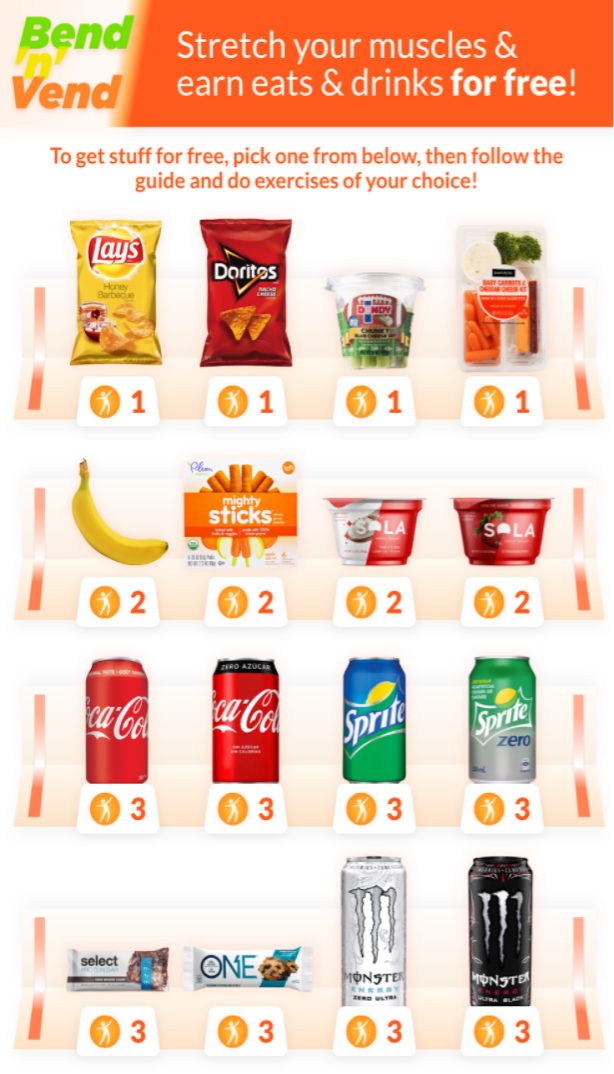
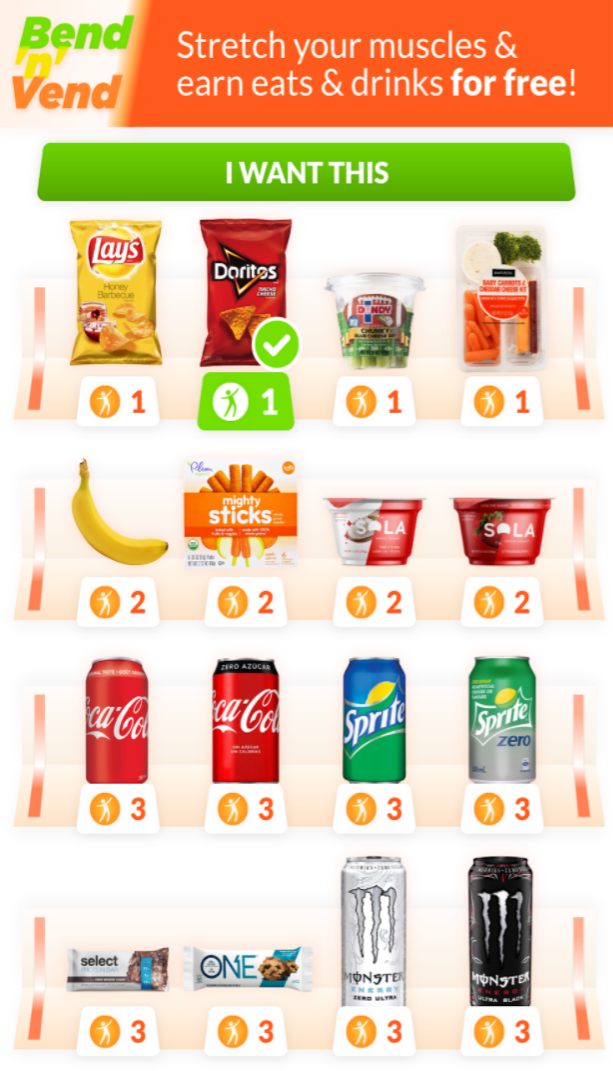
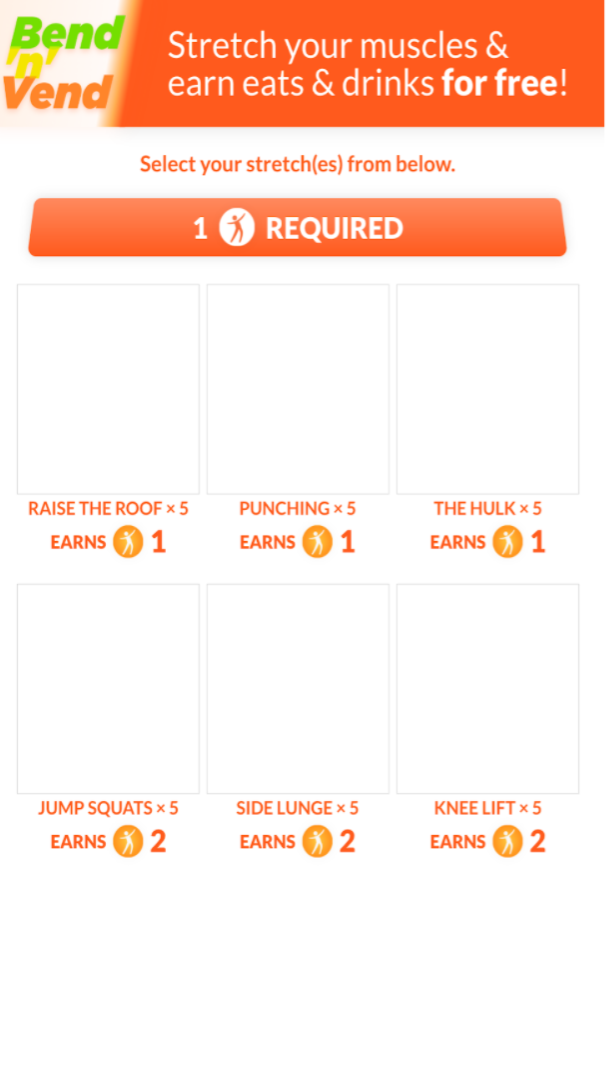
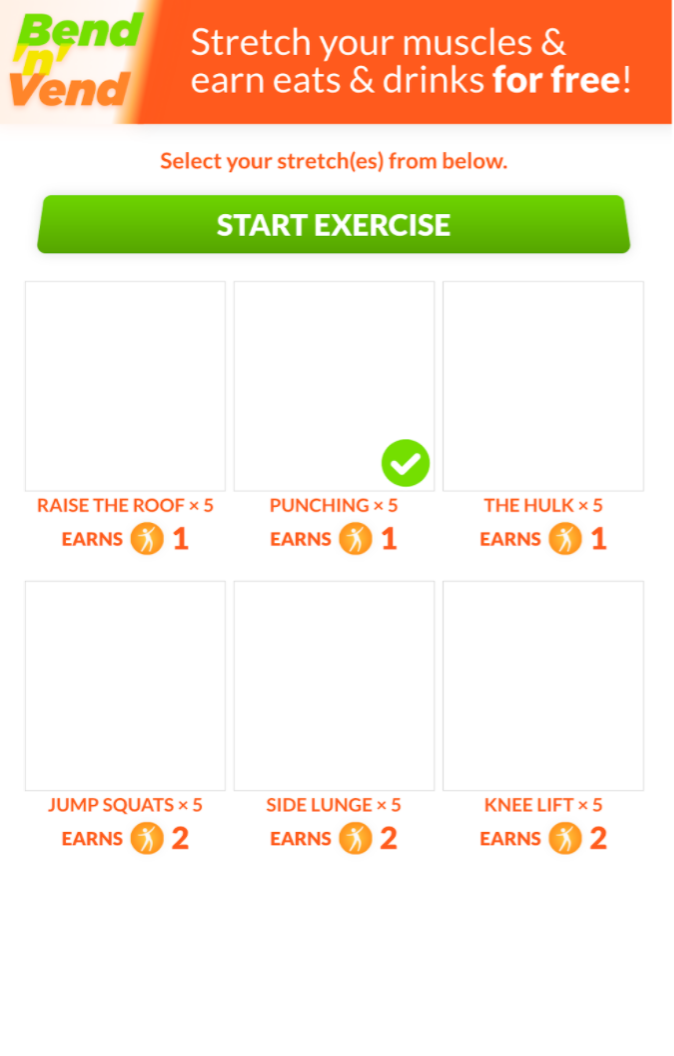
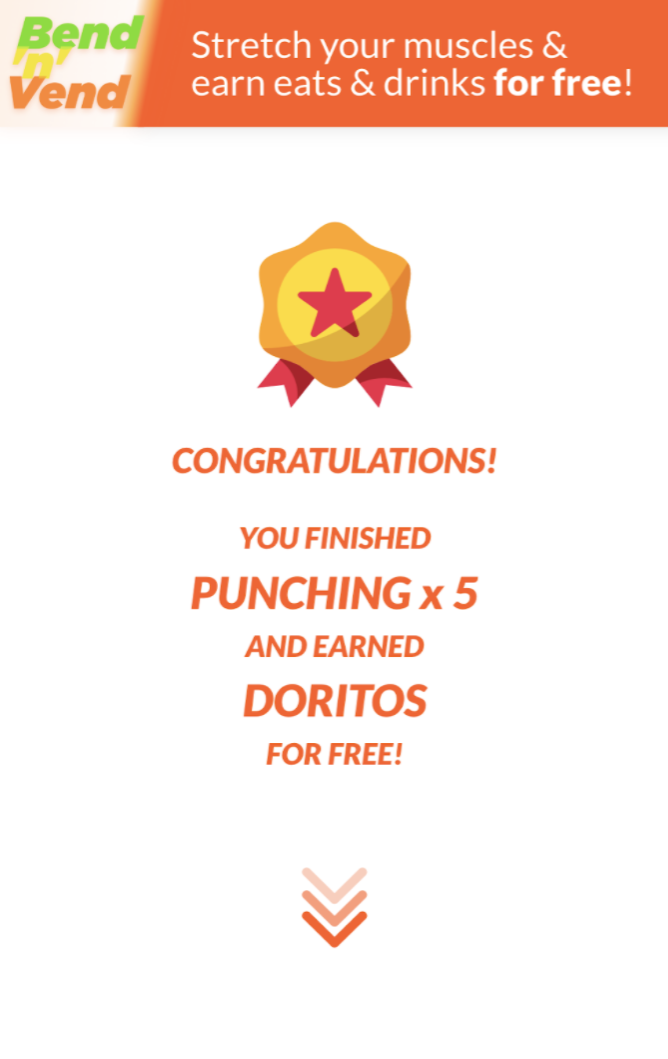
Bend ‘N’ Vend is a Vending Machine that takes payment in the form of exercise. The purpose of Bend ‘N’ Vend is to break people’s sedentary habits and encourage movement. This can be while at work, at an academic institution or even while at some other location. Free food is provided as an incentive to get people to use the Vending Machine.
Currently, many companies and institutions are going the extra mile to ensure that their employees are happy and healthy. So, we feel that Bend ‘N’ Vend can be one such installation that can fulfill the purpose of a fun and interactive way to a healthier lifestyle. We also believe that Bend ‘N’ Vend can be customized to provide other incentives if free food is not something that is appropriate for the target audience (school, a particular type of company).
Potential features include a leaderboard and private installations so that people are not uncomfortable exercising in a public space.
Come up with early concepts and ideas to motivate the design direction.
Identifying and recruiting participants for research is complex. Have a plan and backup plan for it.
Surveys are quick and effective. But it also depends on how it is planned, built and evaluated.
Show and tell. Bring things - exemplars, sketches, slides, survey results, anything to show in class and meetings to spark discussions.



.jpeg)
.jpeg)
.jpeg)
.jpeg)