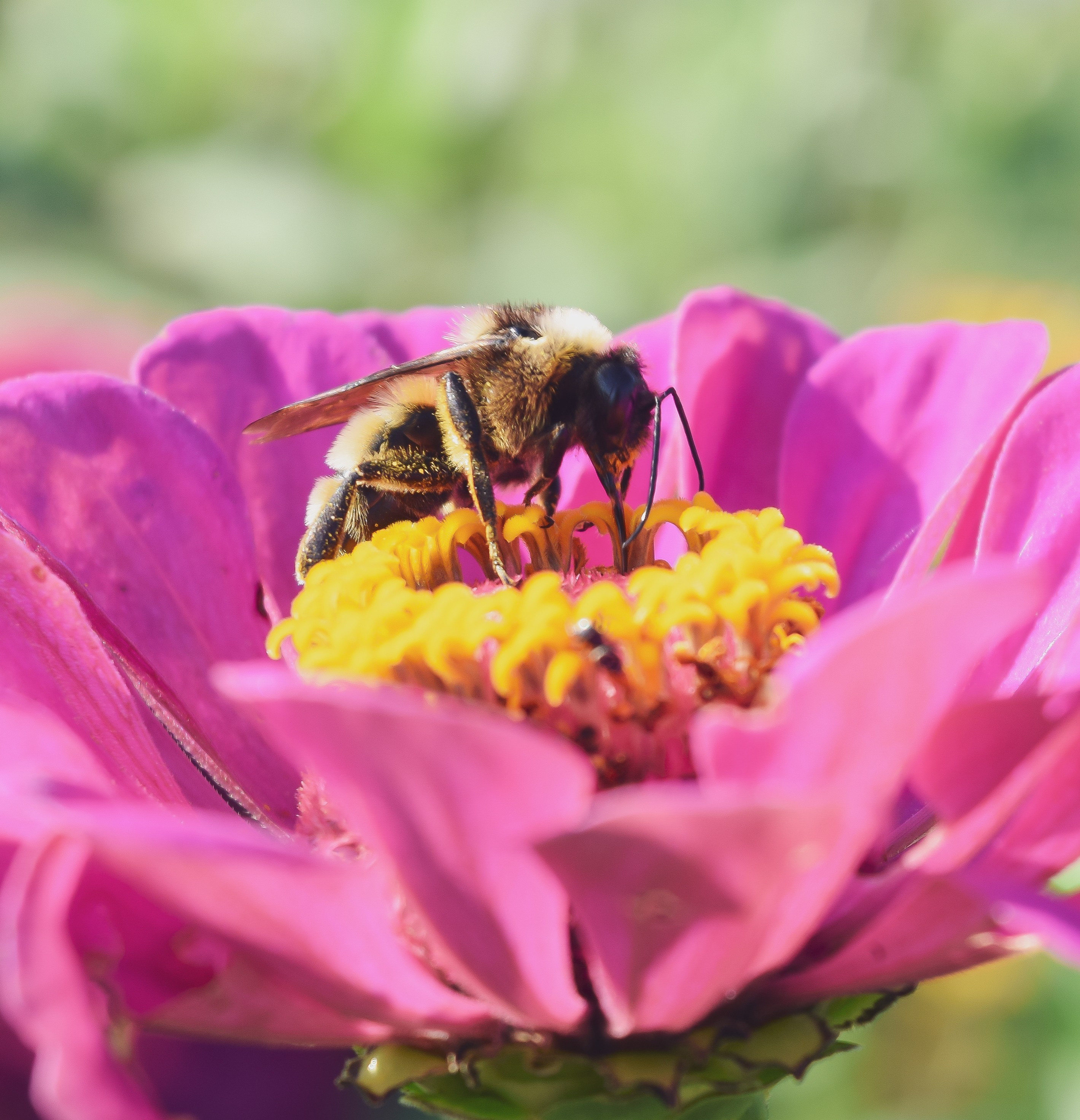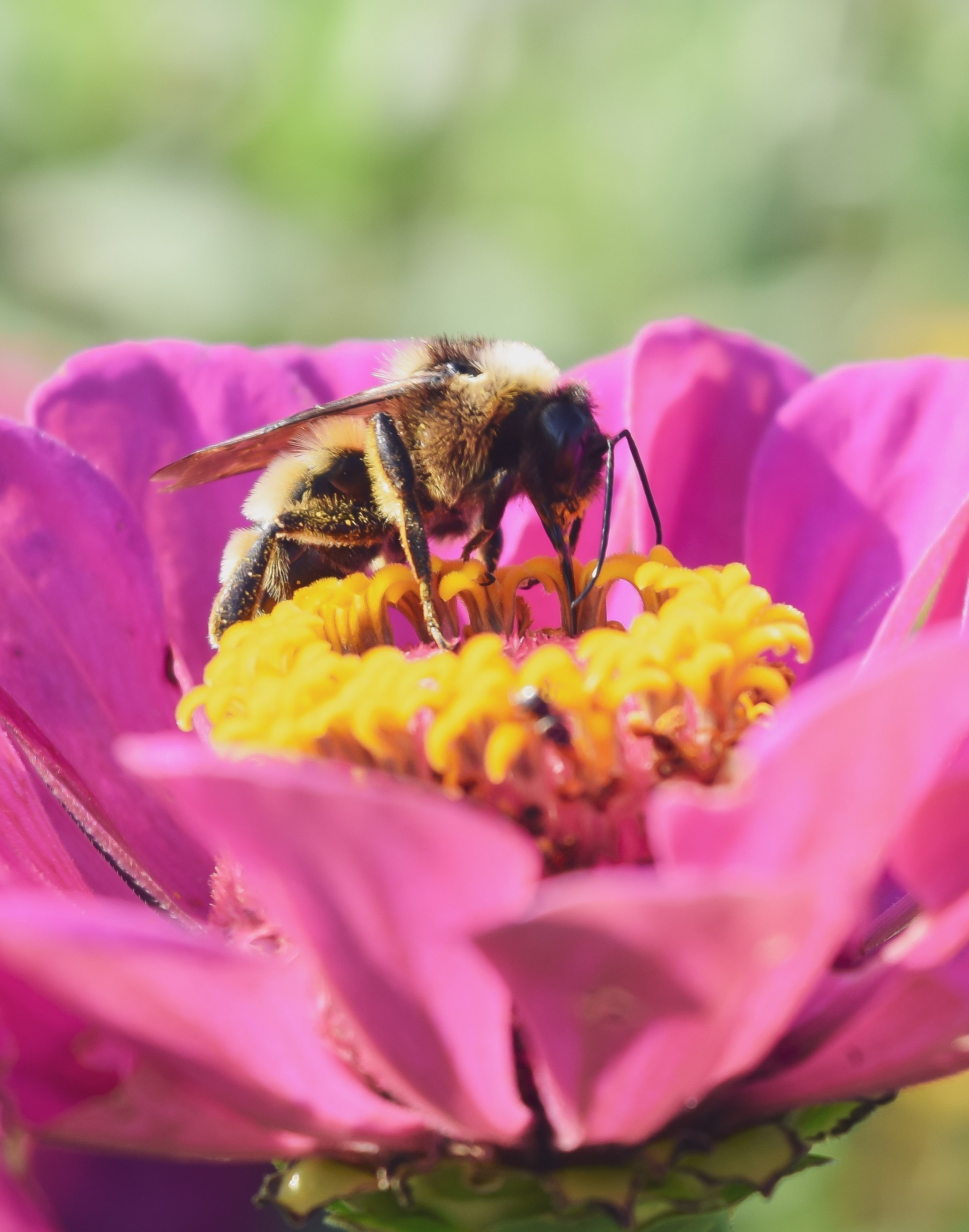
A seed dispenser that visualizes the impact of pollinators in our food system

.png)
Design to create awareness on the importance of bees and other pollinators & contribute to sustainability of Bees
This project explores issues related to sustainability of Bees and other pollinators in our ecosystem. Through our research, we learned that there was a need for intervention aimed towards the general public in terms of both awareness as well as planting flowers for a more bee-friendly environment.
Our proposed design is a public installation to create awareness about the direct relationship between flowerless landscapes, bees and the food we eat which are pollinated by the bees, in order to empathize the user about the declining number of bees and provoke action through the buying of seeds.
Through the combined effect of empathy, education and intervention, we want to create an impact for sensitivity towards bees in the local community and help their survival.


.png)

.png)
.png)
.png)
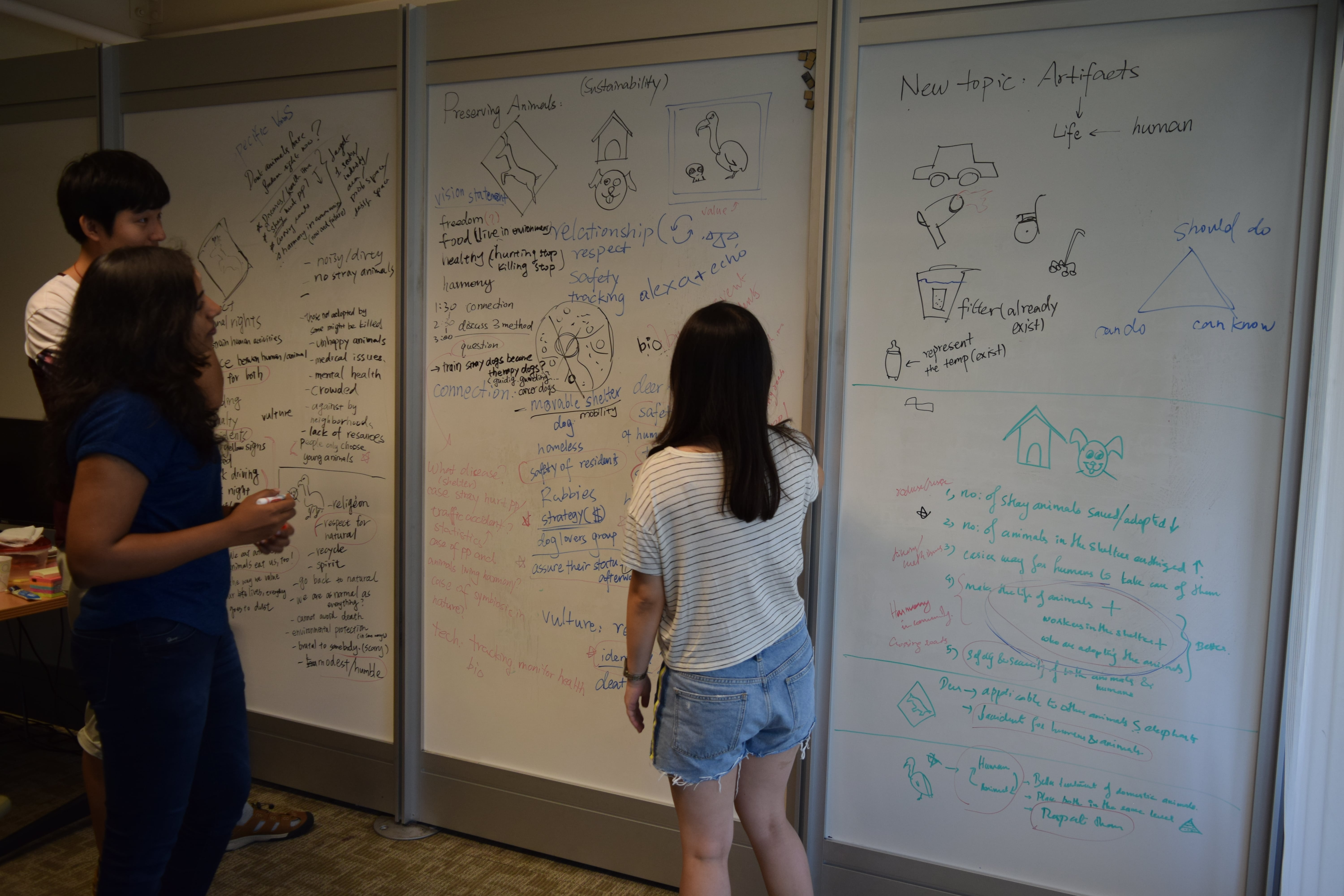
The project was designed as part of class work. Since the theme of the project was preserving life and sustainability, we brainstormed several problem spaces based on sustainability issues, our area of interest and access to information about these spaces. Our initial focus revolved primarily around the symbiotic relationship between humans, animals and other species as well as climate change, biodiversity, and food production. We did two cycles of convergence divergence to explore the possibilities and decide on our direction.

The area that was most relevant in the current scenario which has implications in global food security, biodiversity and ecosystem as a whole and given less focus was the Preservation of Pollinators.
How might we help sustain pollination by creating a suitable environment for bees and other pollinators to thrive in?
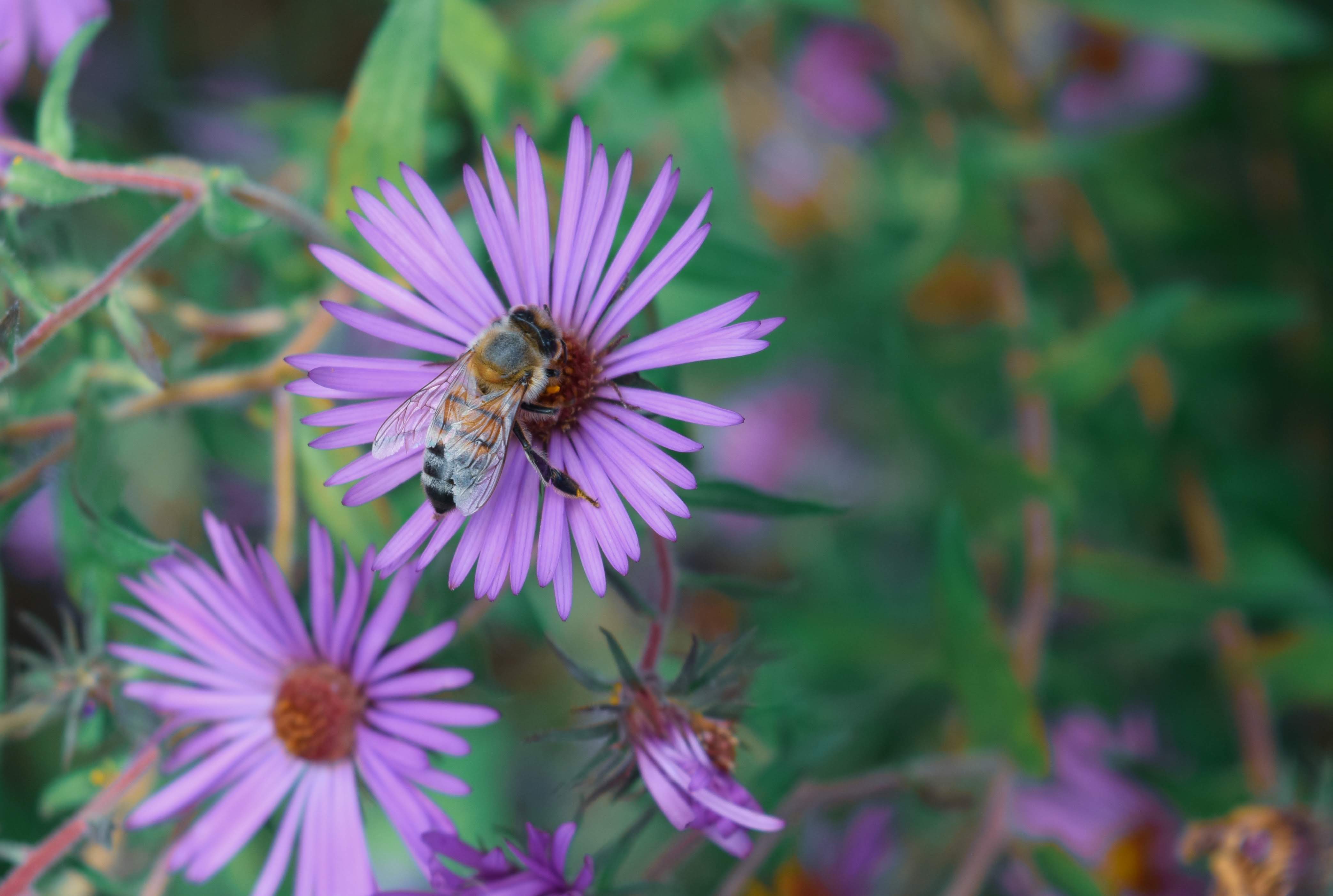
Bees are the most important pollinators of our fruits, vegetables, flowers, and crops that feed our farm animals. One out of every three bites of food we take is dependent on the services of Bees and other Pollinators. "Bees have been dying over the last 50 years, and we're planting more crops that need them. Bees dying is an indicator of a dysfunctional food system."

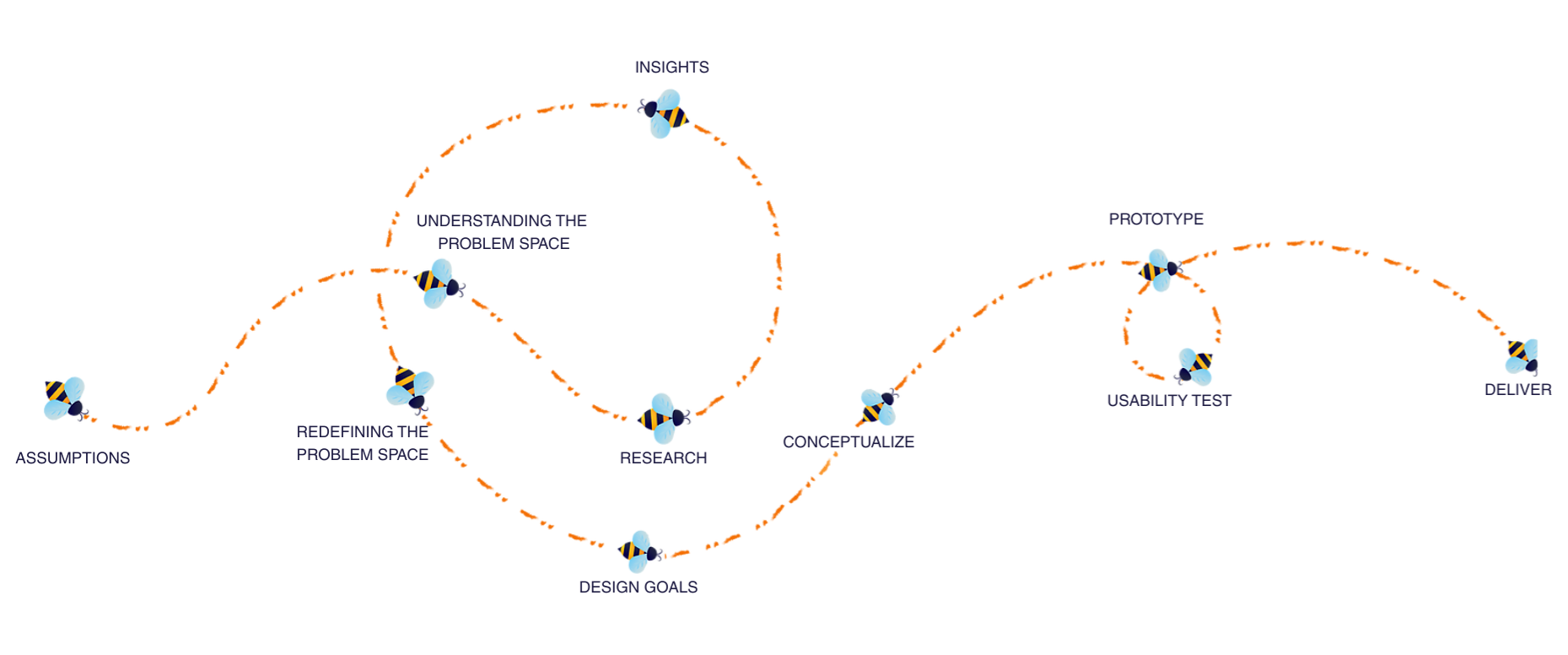
We started our design process with the assumptions from our very little experience and knowledge base with bees. In order to understand the vast problem space of Pollination, we conducted literature reviews, continued by interviews, observation study, and field visits. We synthesized the data and identified the design issues that aroused out of the research. With the research insights, we were able to redefine the problem space, frame the design problem clearly and define the goals. We came up with a system of concepts that could intervene in this space and essentially make an impact. We created cardboard and video prototypes to build our design.


Before beginning our research we had some assumptions about the functions of bees and other pollinators. With these assumptions in our mind we proceeded with our primary research on sustainability of pollinators.
The primary understanding we had was that making honey is the bees main purpose.
Most people are afraid of bee mainly because they believe that all bees sting and their sting is dangerous.
Initially we had the idea that bees survive on honey and was not aware of the other major food sources.


Interviews gave us not only the clarity in the scope of our design goals but also richer insights into the problem space we were attempting to intervene into.
In order to identify which area we can intervene, we chose qualitative interviews with experts as our research method since bee sustainability and beekeeping was a very specialized field. Since beekeeping was in itself a beautiful, complex art, we decided to keep our questions open-ended and build on the responses from our interview participants. We performed six interviews across the following groups of people -


Many people including farmers are not aware about role of bees as important pollinators of our food system. Farmers apply herbicide to keep their produce and fences clean. This destroys the weeds such as clover that are important food sources for the bees. They need weeds to feed all summer. Weeds also favors bees and pollinators that are not in the hives such as wild bees.
Though more technological solutions were being developed for beekeepers, there was lesser adoption and more reliance on time-tested traditional methods.
The changes of farming practice from poly-culture to mono-culture is one of the major reasons for the collapse of bee colonies and decline in pollinator population. With the loss of habitats and agricultural land they are in dire need of a sustainable environment to thrive in.
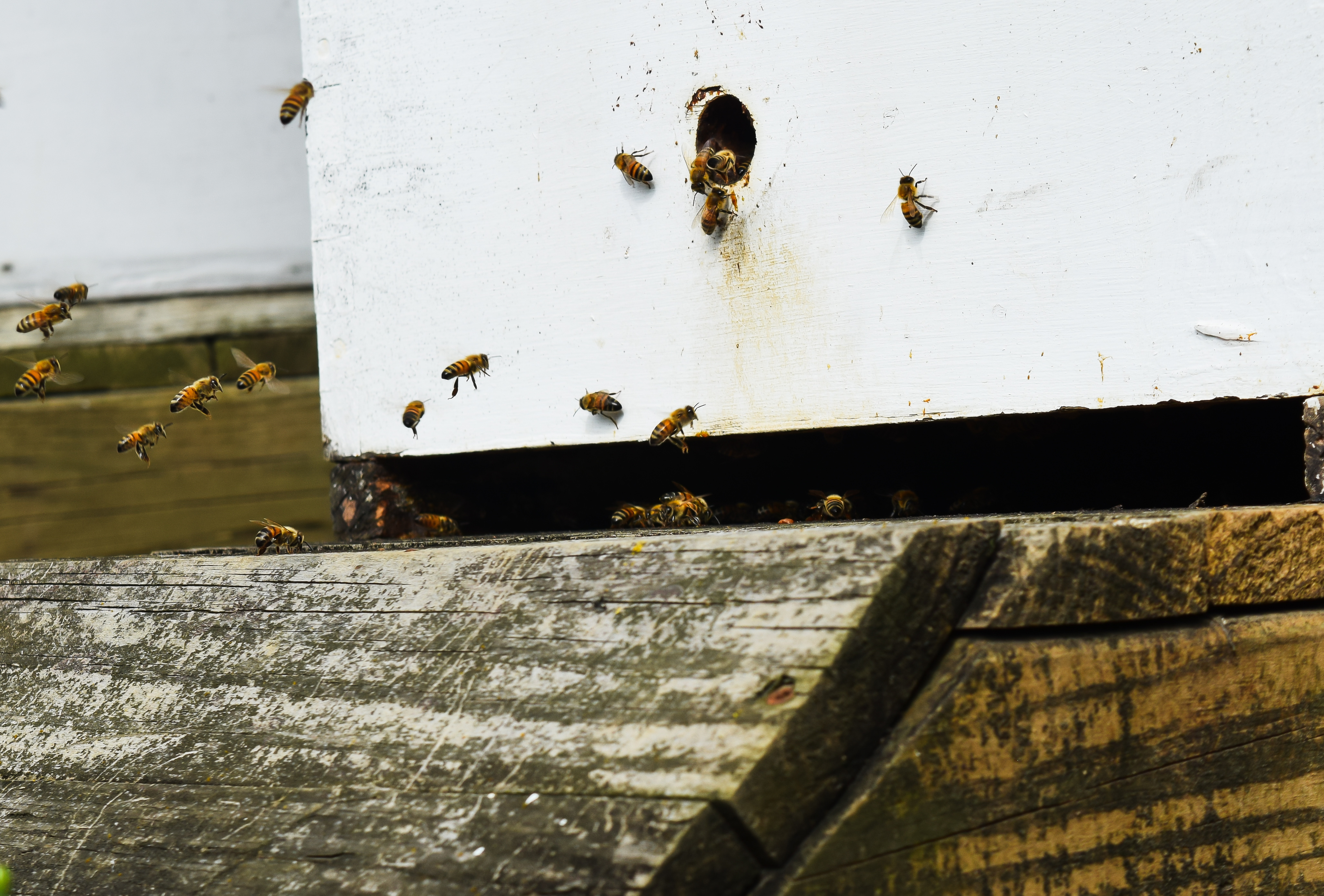
Seeing the real bee hives and bees
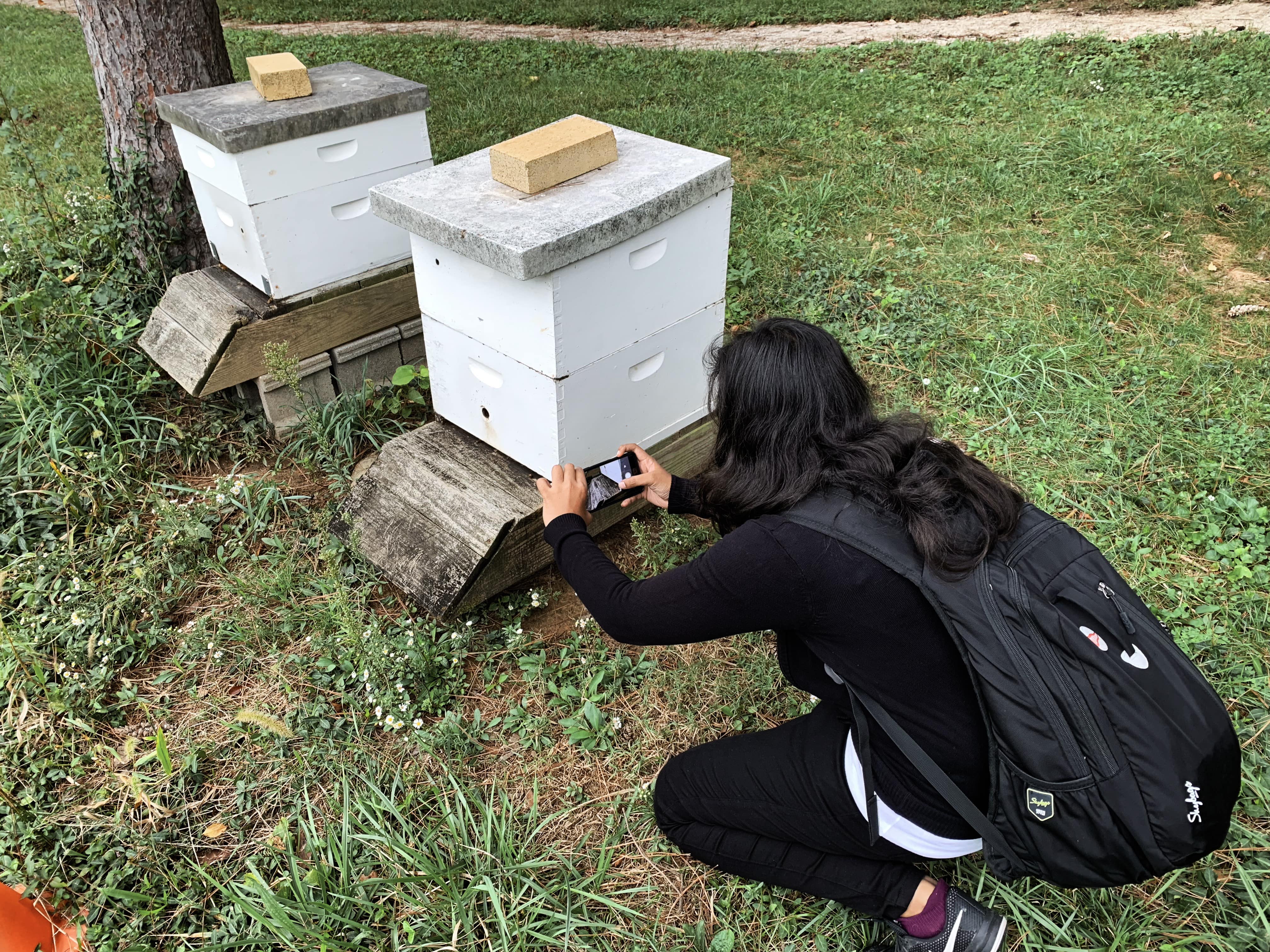
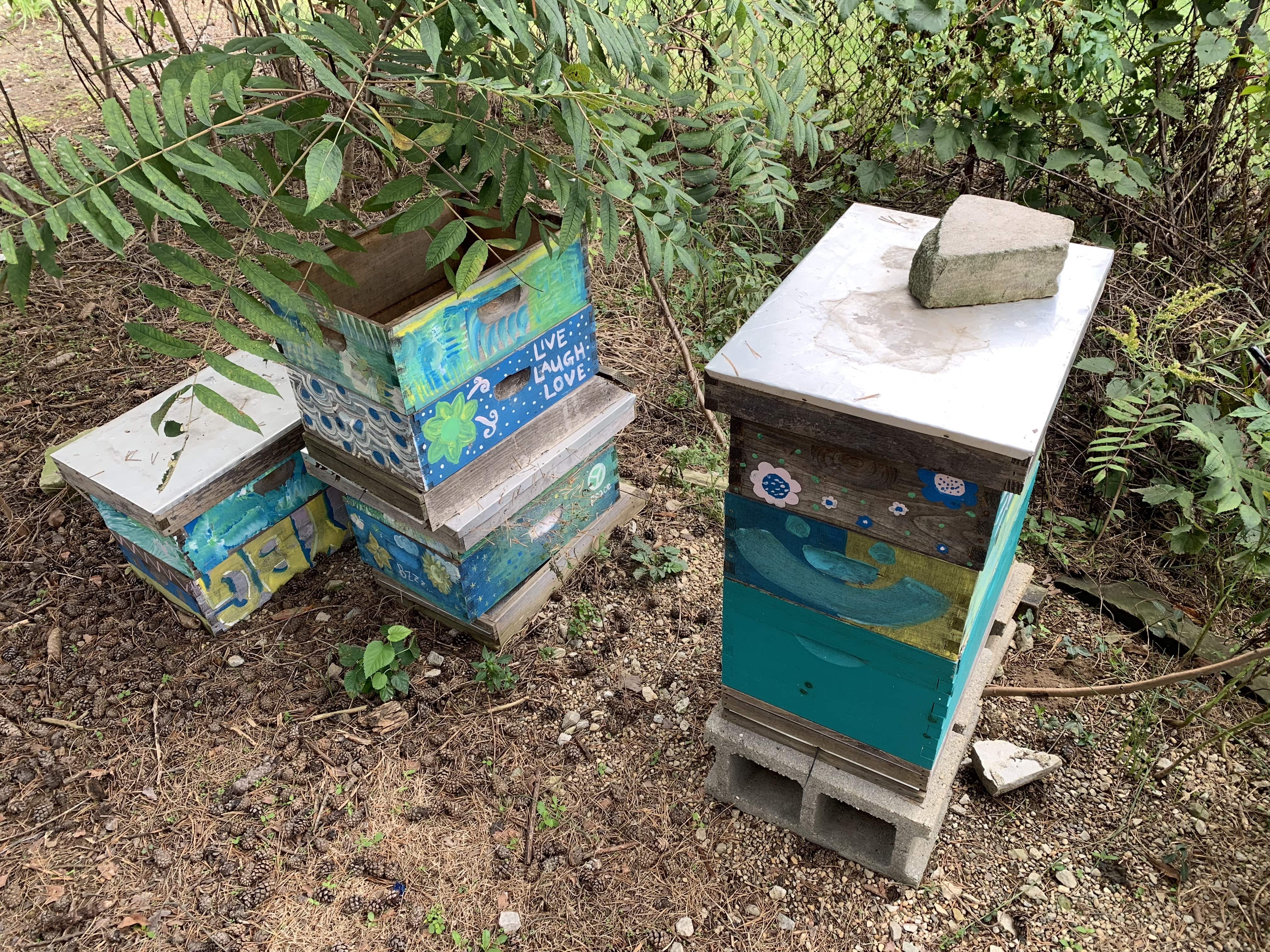
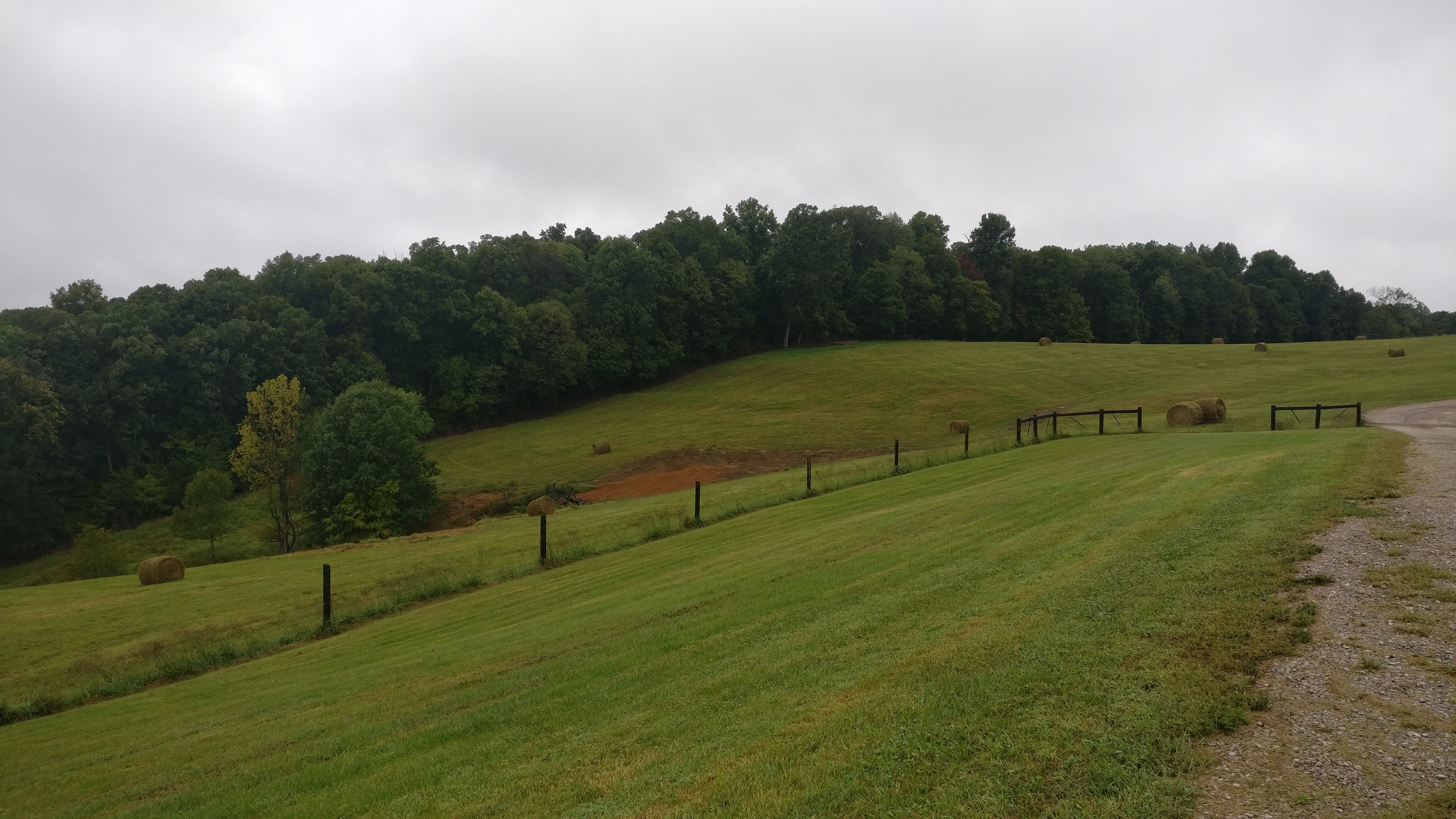
The Hilltop garden is a local conservatory maintained by the city and the university. It has a large number of species of flora and fauna as well as a space for beehives. We have done successive visits to the conservatory to learn more about bees, bee-friendly flowers and the ecosystem that the bees thrive in.
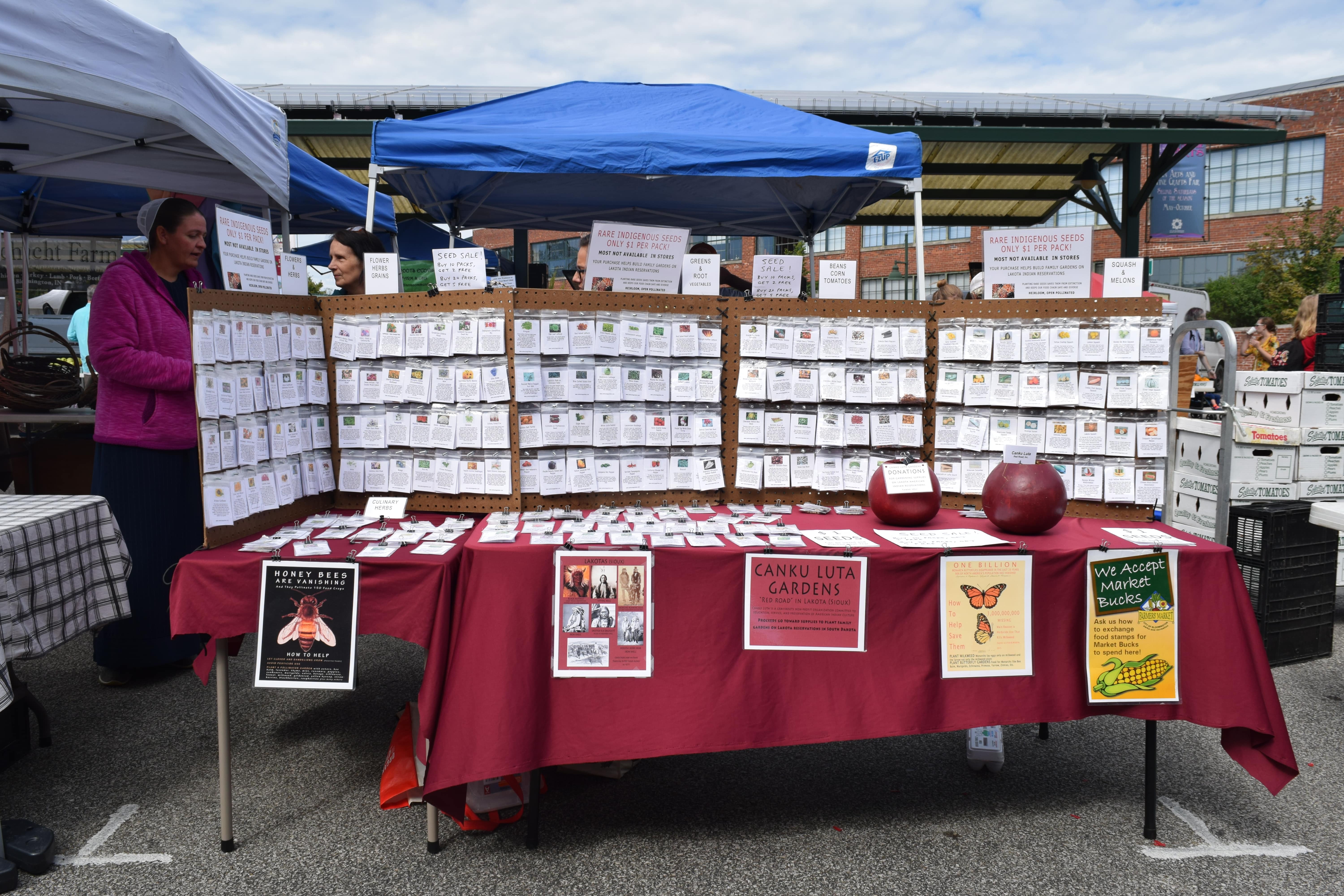
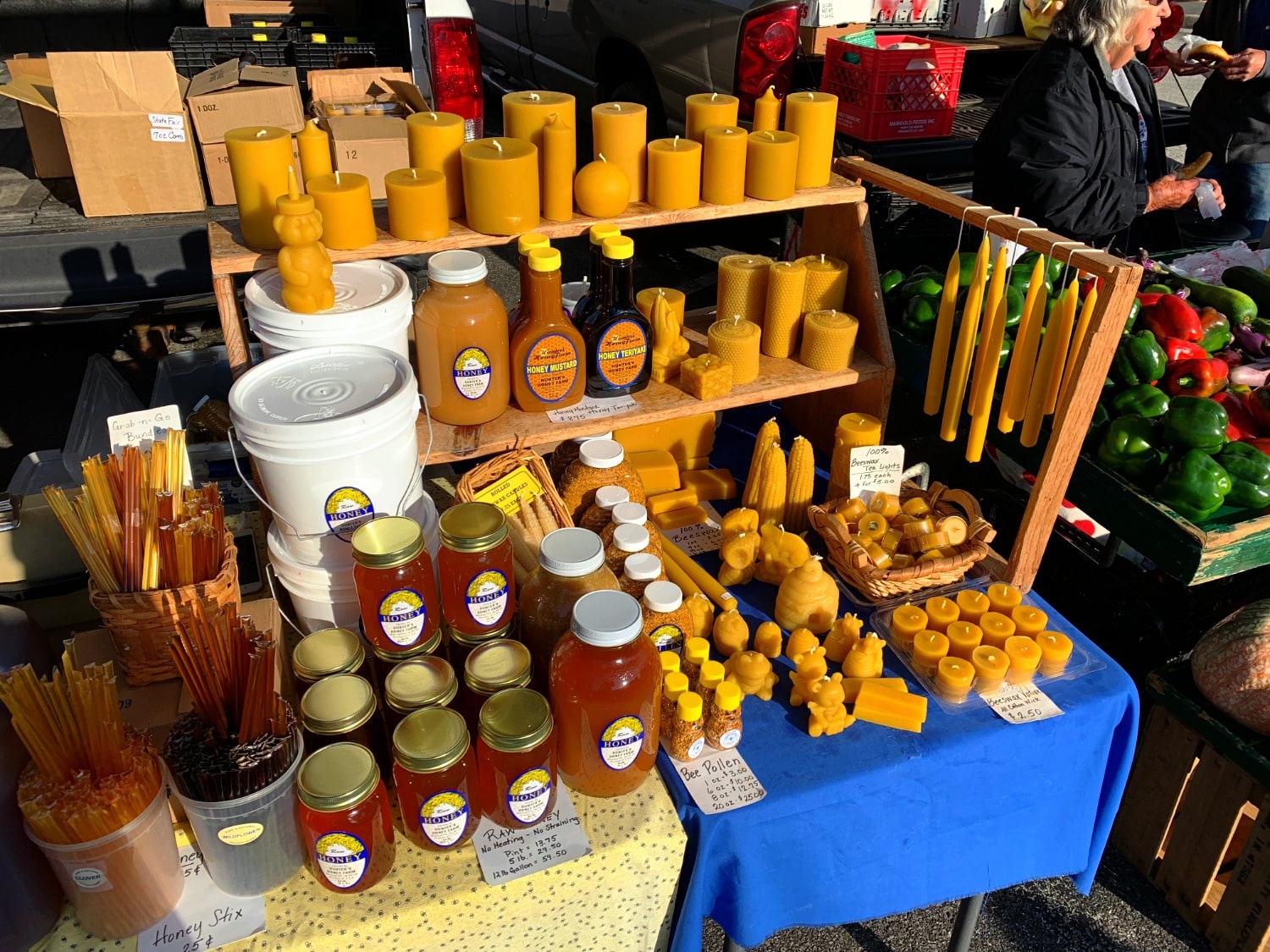
We also visited the Bloomington community farmers market where we spoke to commercial beekeepers and other businesses selling seeds of local flowering plants, fruits and vegetables. We observed that the beekeepers sold all kinds of products apart from the obvious honey such as bee wax, bee pollen, propolis etc.
.png)


-min.jpg)

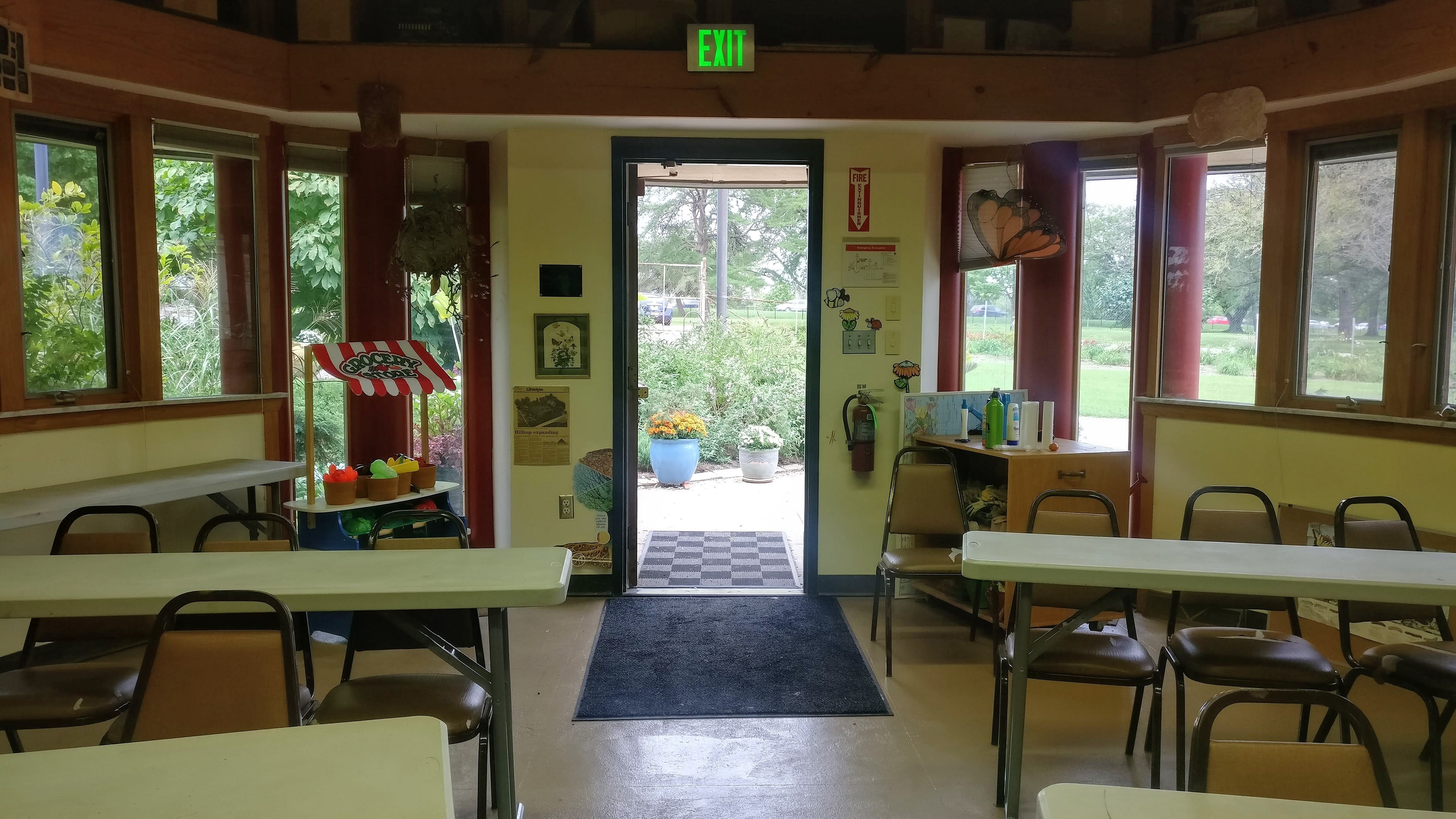
We learned the importance of created an environment for people to learn and develop a connection with nature. The Hiltop garden has a classroom set up to teach children about apiculture and various other conservation practices adopted for conservation of natural habitat of bees.

Many people including farmers are not aware about role of bees as important pollinators of our food system. Farmers apply herbicide to keep their produce and fences clean. This destroys the weeds such as clover that are important food sources for the bees. They need weeds to feed all summer. Weeds also favors bees and pollinators that are not in the hives such as wild bees.

Though more technological solutions were being developed for beekeepers, there was lesser adoption and more reliance on time-tested traditional methods.

The changes of farming practice from poly-culture to mono-culture is one of the major reasons for the collapse of bee colonies and decline in pollinator population. With the loss of habitats and agricultural land they are in dire need of a sustainable environment to thrive in.

We learned the importance of created an environment for people to learn and develop a connection with nature. The Hiltop garden has a classroom set up to teach children about apiculture and various other conservation practices adopted for conservation of natural habitat of bees.
Many people including farmers are not aware about role of bees as important pollinators of our food system. Farmers apply herbicide to keep their produce and fences clean. This destroys the weeds such as clover that are important food sources for the bees. They need weeds to feed all summer. Weeds also favors bees and pollinators that are not in the hives such as wild bees.
Though more technological solutions were being developed for beekeepers, there was lesser adoption and more reliance on time-tested traditional methods.
The changes of farming practice from poly-culture to mono-culture is one of the major reasons for the collapse of bee colonies and decline in pollinator population. With the loss of habitats and agricultural land they are in dire need of a sustainable environment to thrive in.


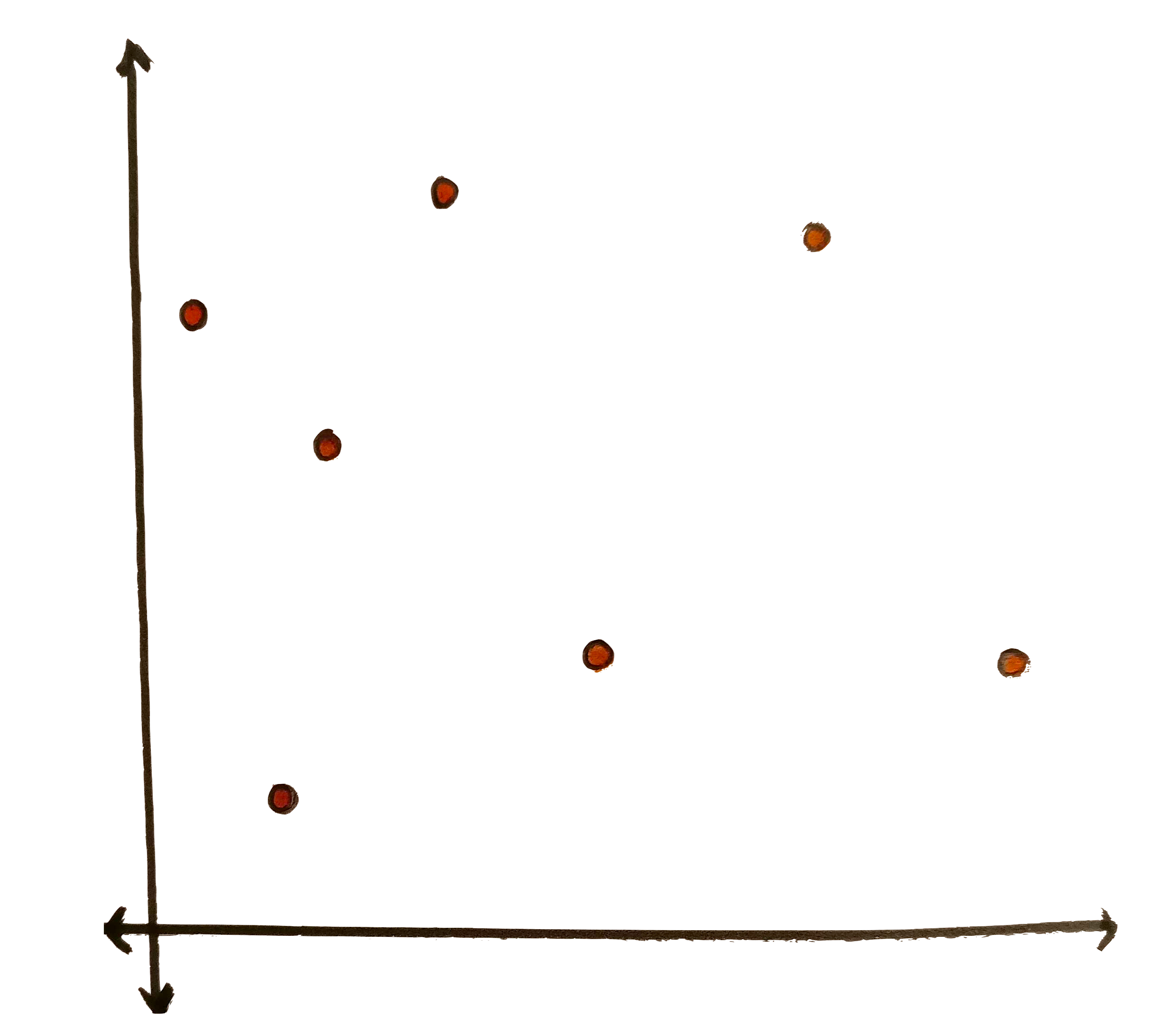
Since the design space is very broad for the intervention we are trying to develop, we produced a semantic differential to first narrow down on the problem area we were trying to address. We weighed out the possibilities against feasibility and impact, to find where we can create an optimally feasible design that would cause maximum impact. The three areas that fit our design values most optimally were:
Raising awareness through educational initiatives
Reducing flowerless landscapes
Create a bee friendly environment
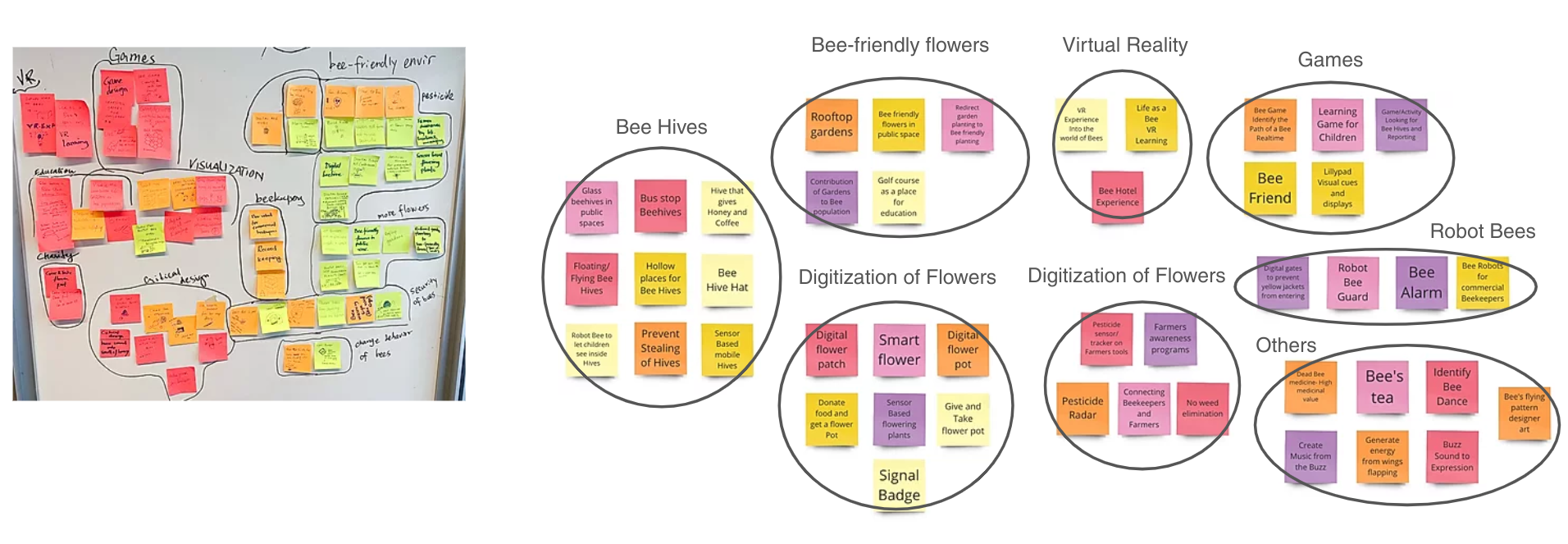
We used affinity diagrams as a method for developing the various concepts in our defined design space of raising awareness and creating a bee-friendly environment. Some of the different ideas that we conceptualized in this process were gamification using video games and virtual reality, educational web-based applications, interactive visualizations in public spaces, filters and screens for pesticide reduction, planting more bee-friendly flowers and critical design for showing the reduction in food with the reduction in bees.

.png)
We also discovered that while more research was being done for improving interaction with bees and identification of pollinators at large, there was a need for intervention aimed towards the general public in terms of both awareness as well as planting flowers for a more bee-friendly environment. We redefined our problem space.
.jpg)

The core concept of our design was to help people understand the importance of the services of bees and other pollinators by directly linking them to their dependency on flowering plants as sources of nectar and our food system. Our design consists of

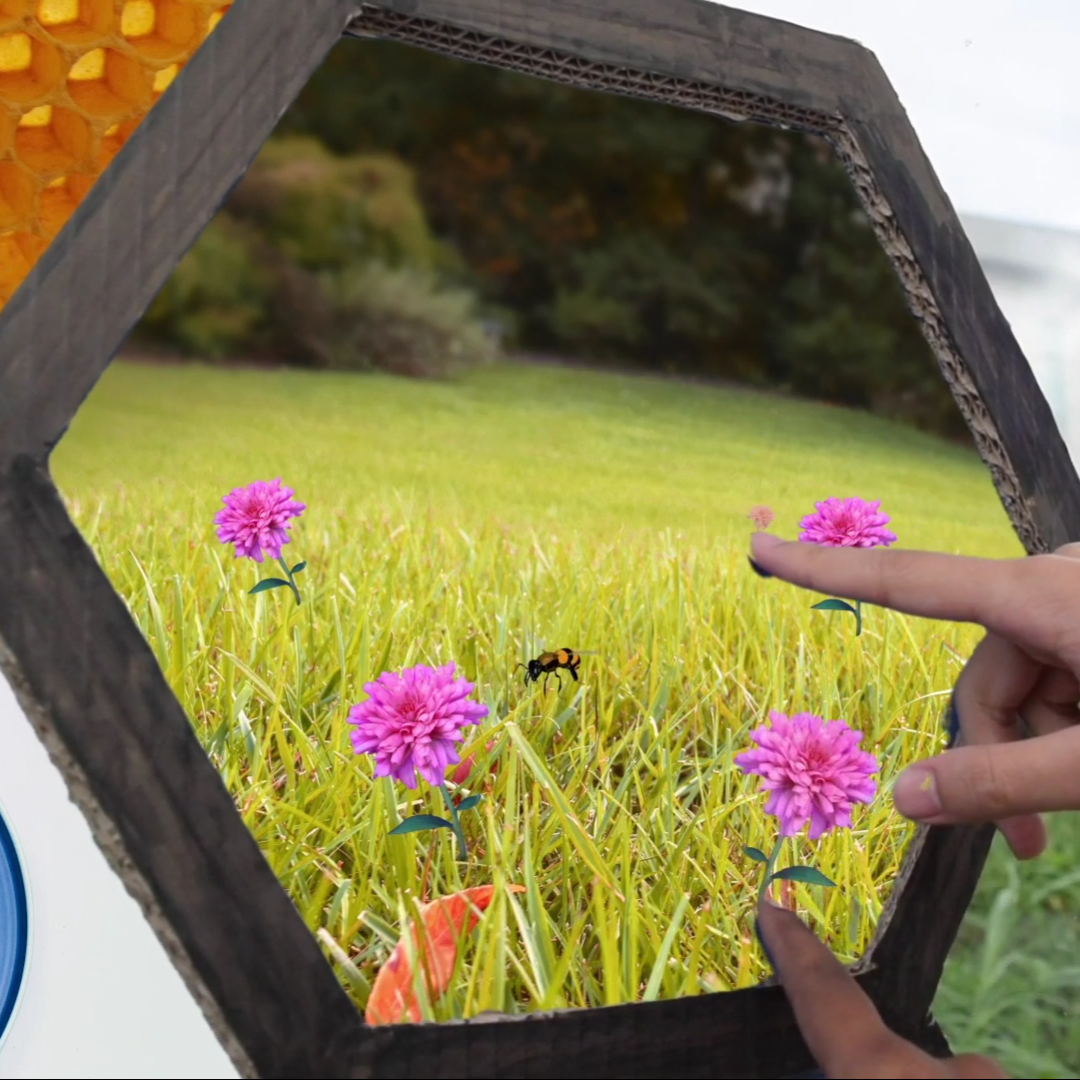
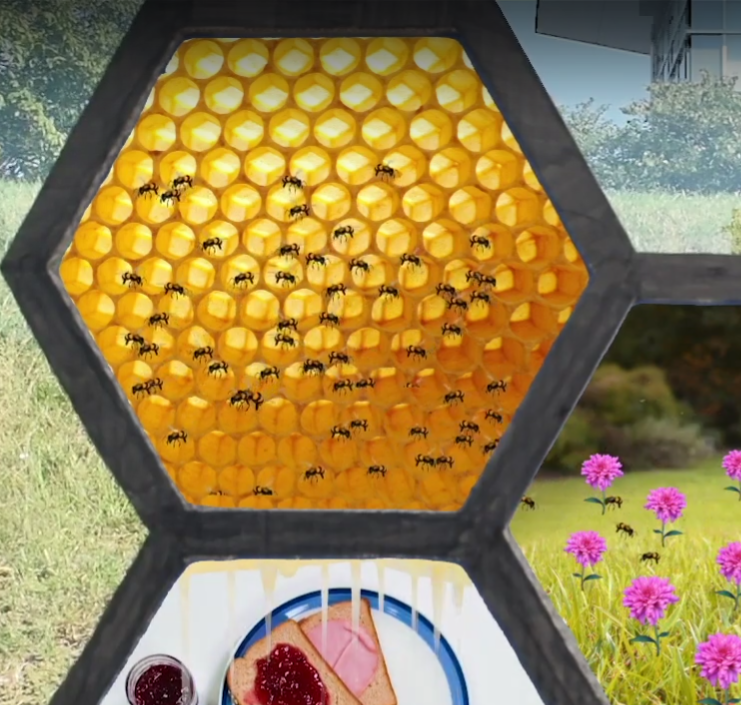
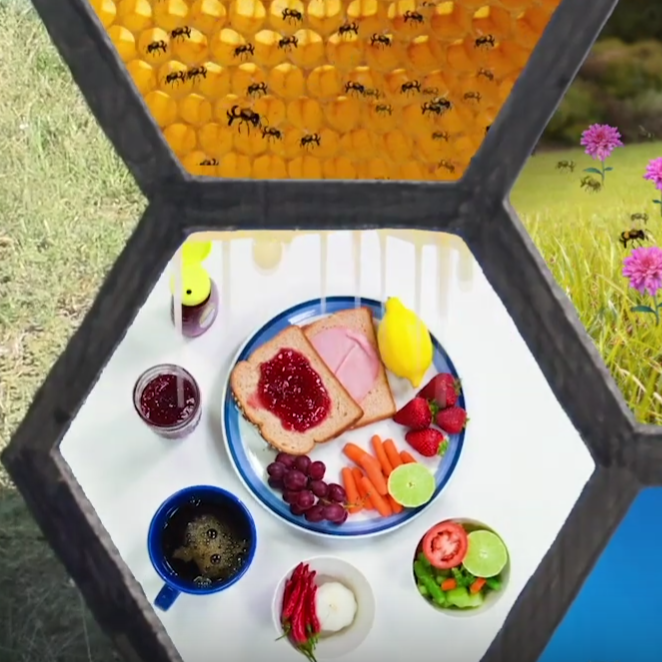
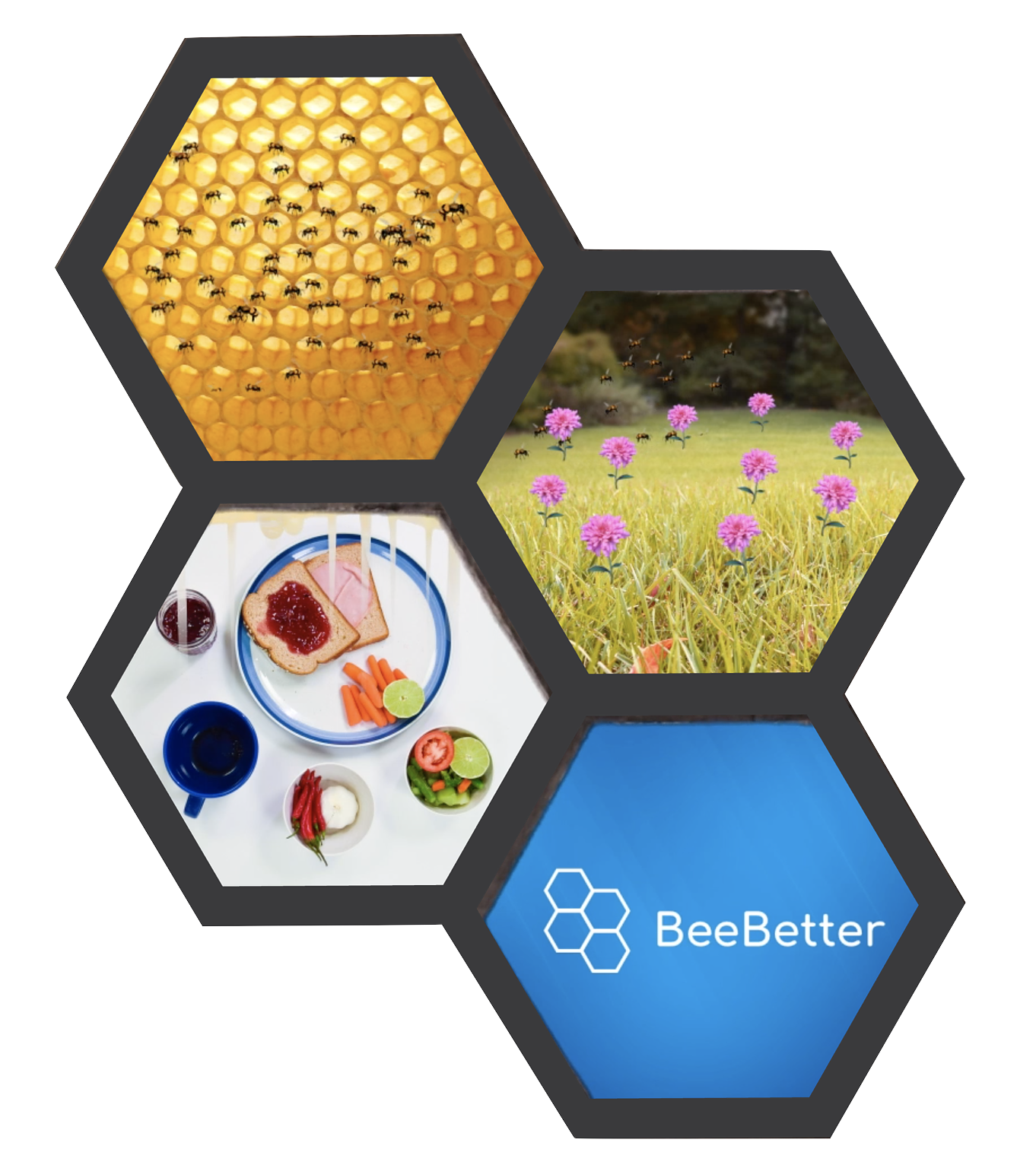
An interactive visual interface that correlates the growth of bee-friendly flowers with an increase in the number of bees and the availability of food in a thought-provoking succession.

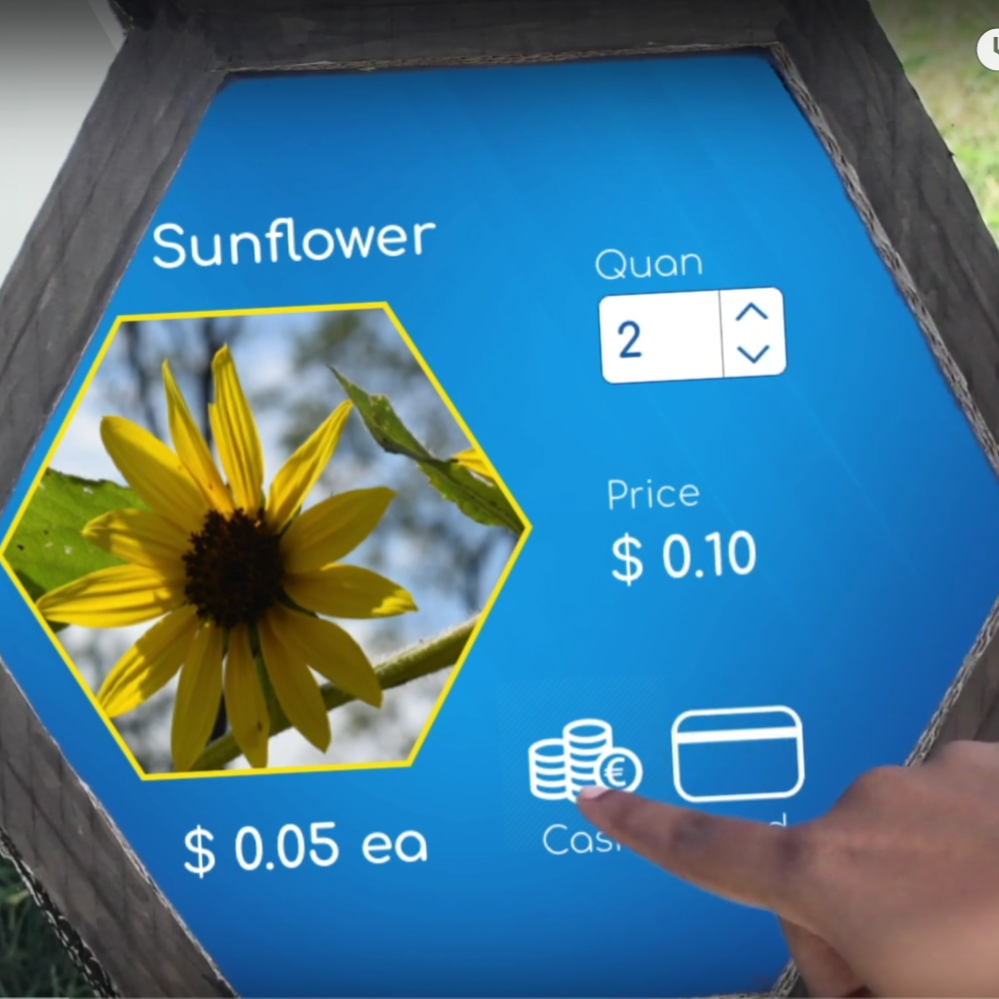
A seed dispenser for such flowers that are locally grown, which an individual is able to buy and plant in their living space.

An incentive to support the businesses of beekeepers and local farmers.
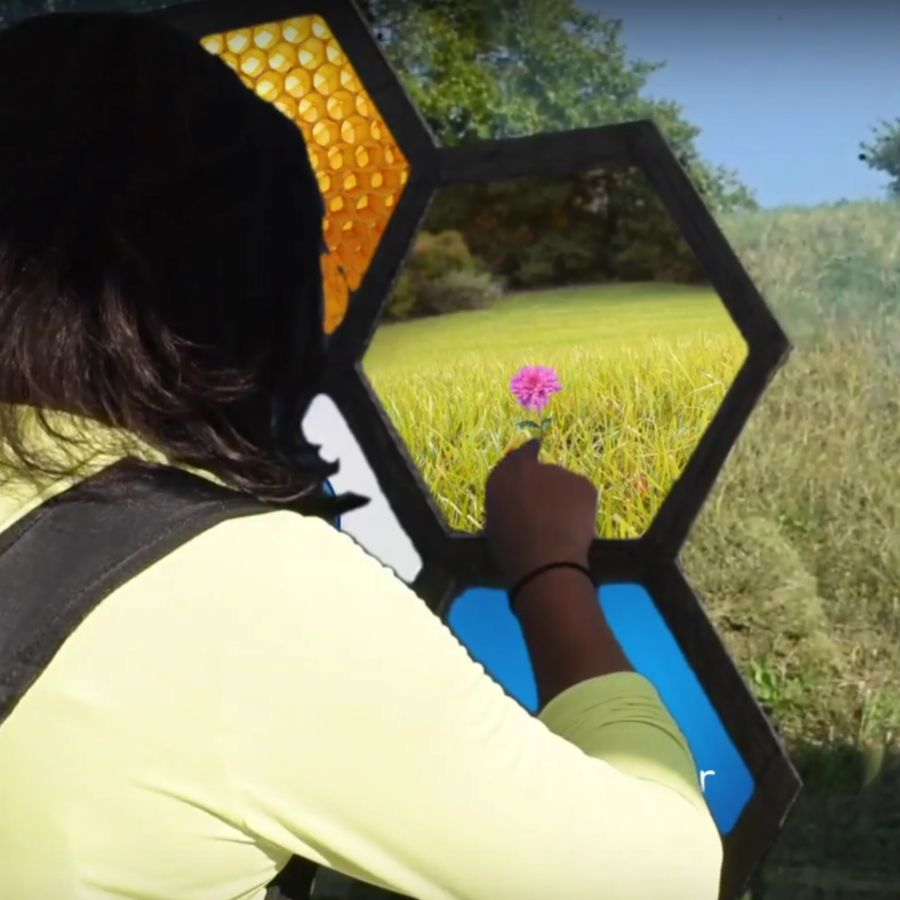
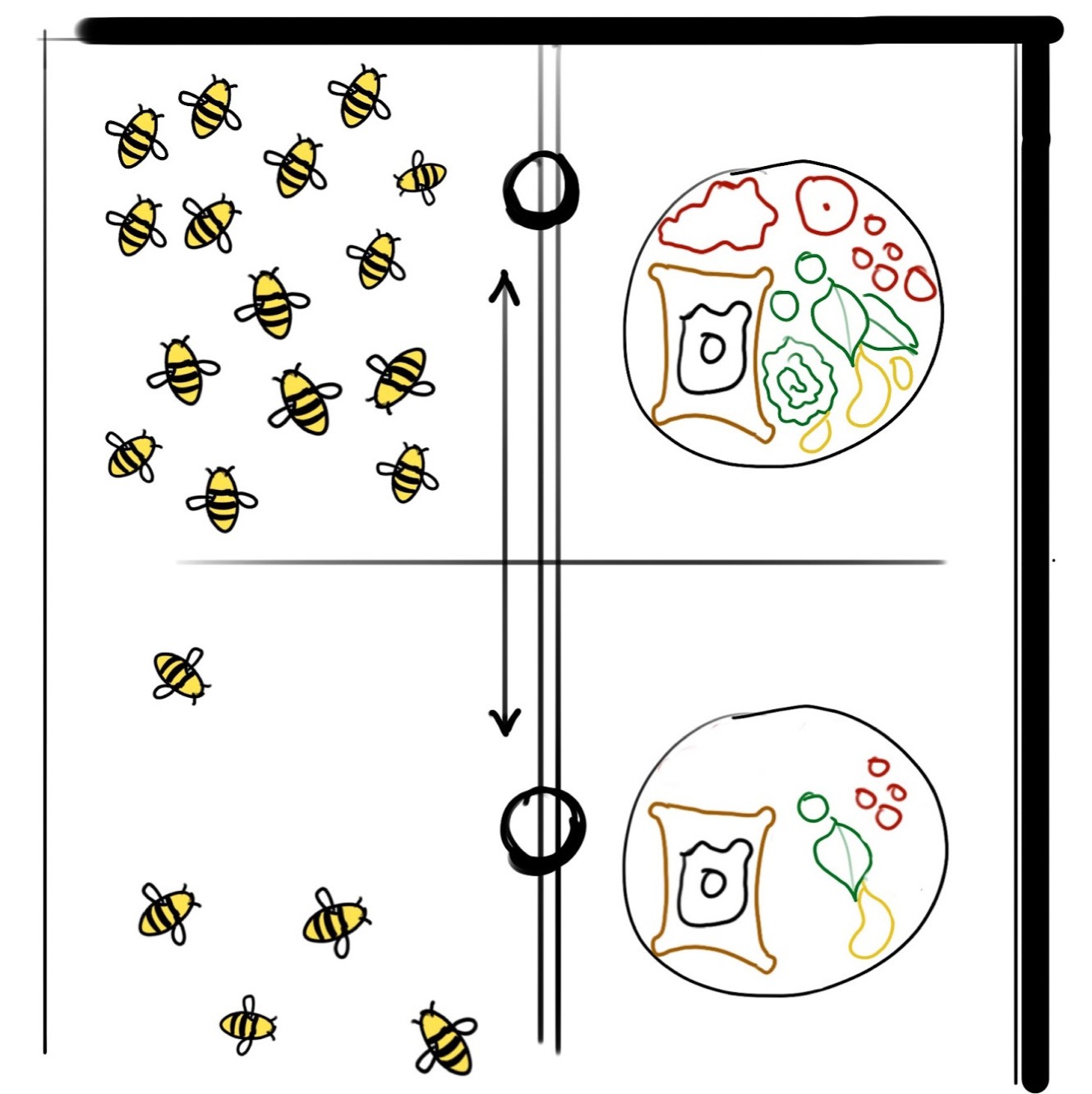
When we first created our design we envisioned an interactive screen with two sections and a scrollbar in the middle to increase or decrease the number of bees. Based on the number of bees the food in the plate will simultaneously change. But we realized that there needs to be a screen to depict the relation to the bee-friendly flowers as well. In addition we added a section for the users to visualize, choose and shop the pollinating flower seeds they intend to buy.
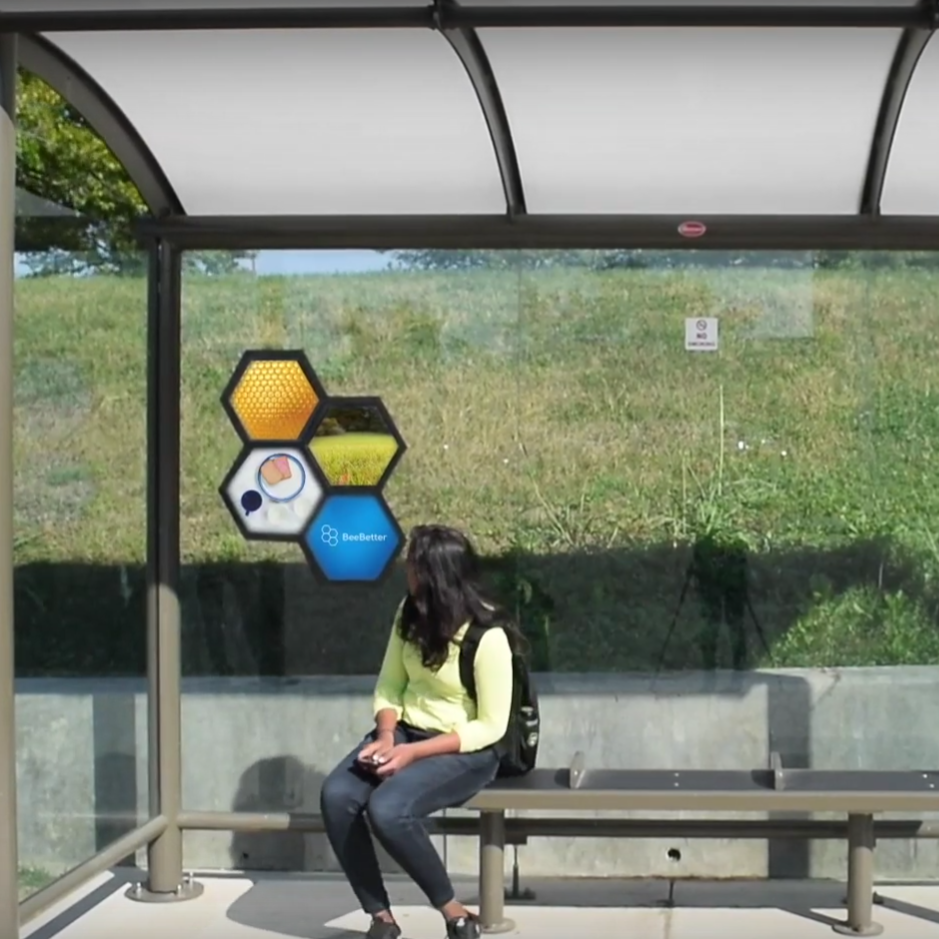
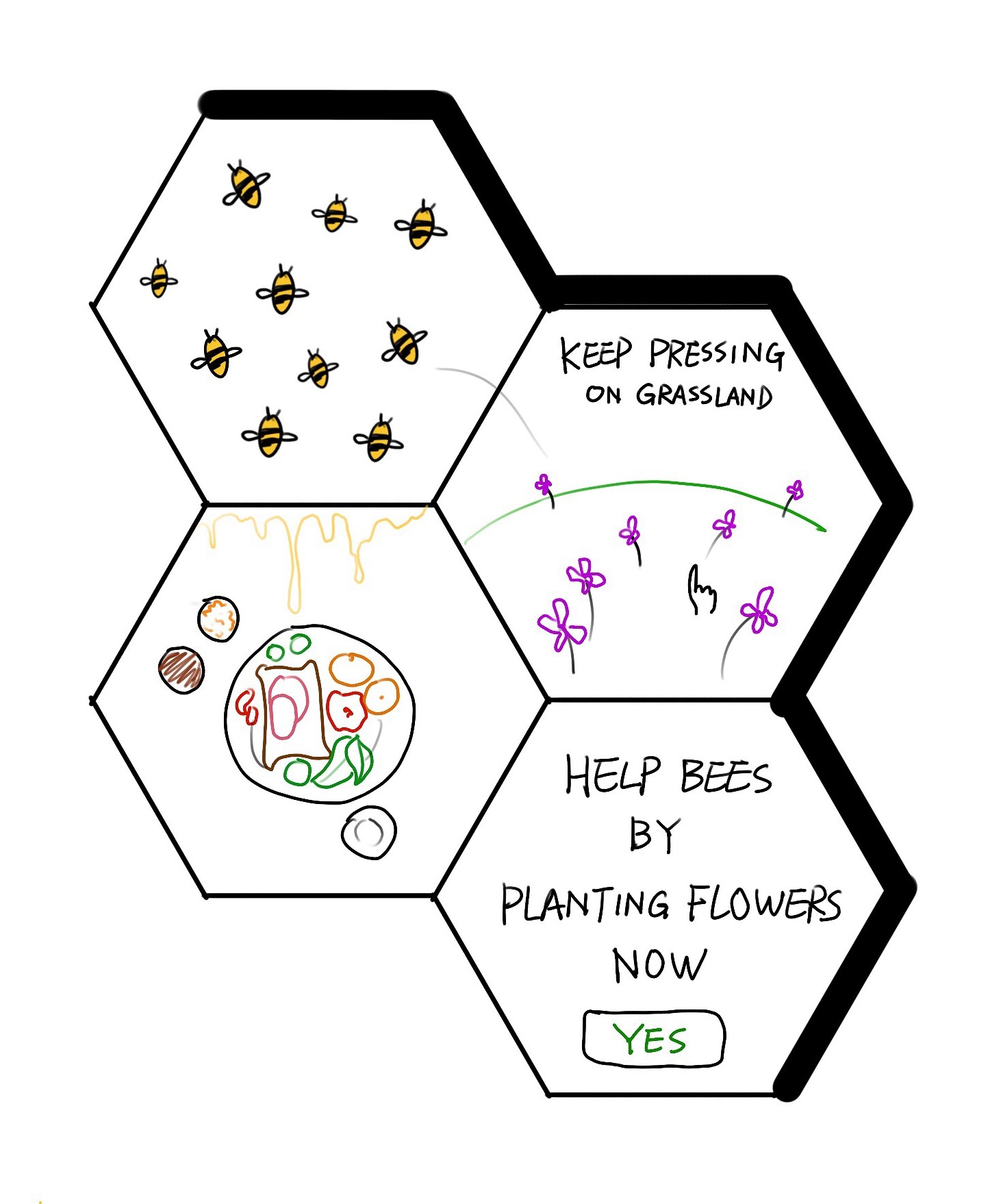
We also changed the form of our design artifact to a hexagonal installation divided into four sections. The hexagonal structure of the artifact is aimed to create the imagery of a beehive so that it is more instilled in conveying its values.


The goal of this interaction is to create awareness about the direct relationship between flowerless landscapes, presence of bees and the food we eat, which are pollinated by the bees, in order to empathize the user about the declining number of bees and provoke action through the buying of seeds.
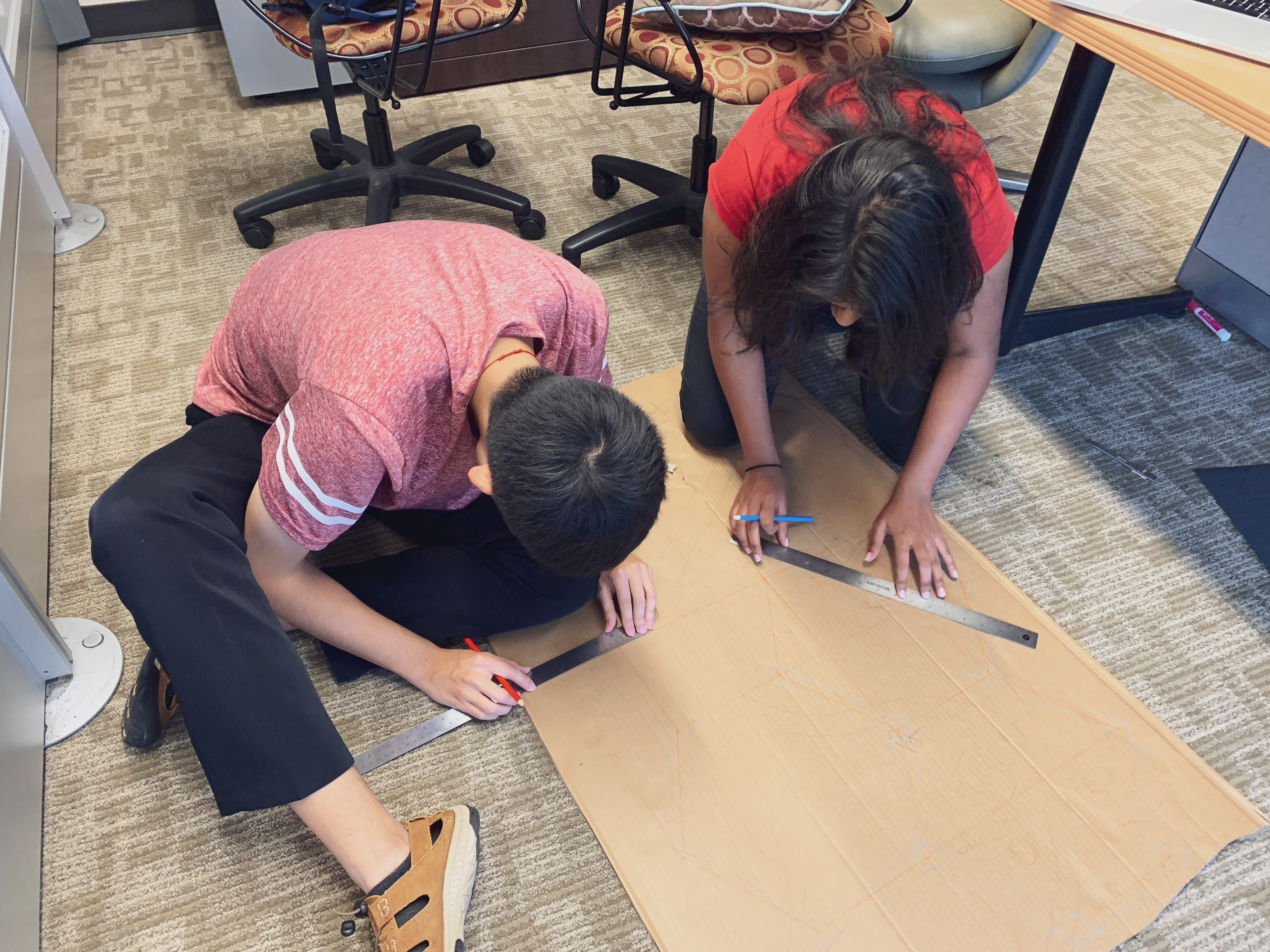
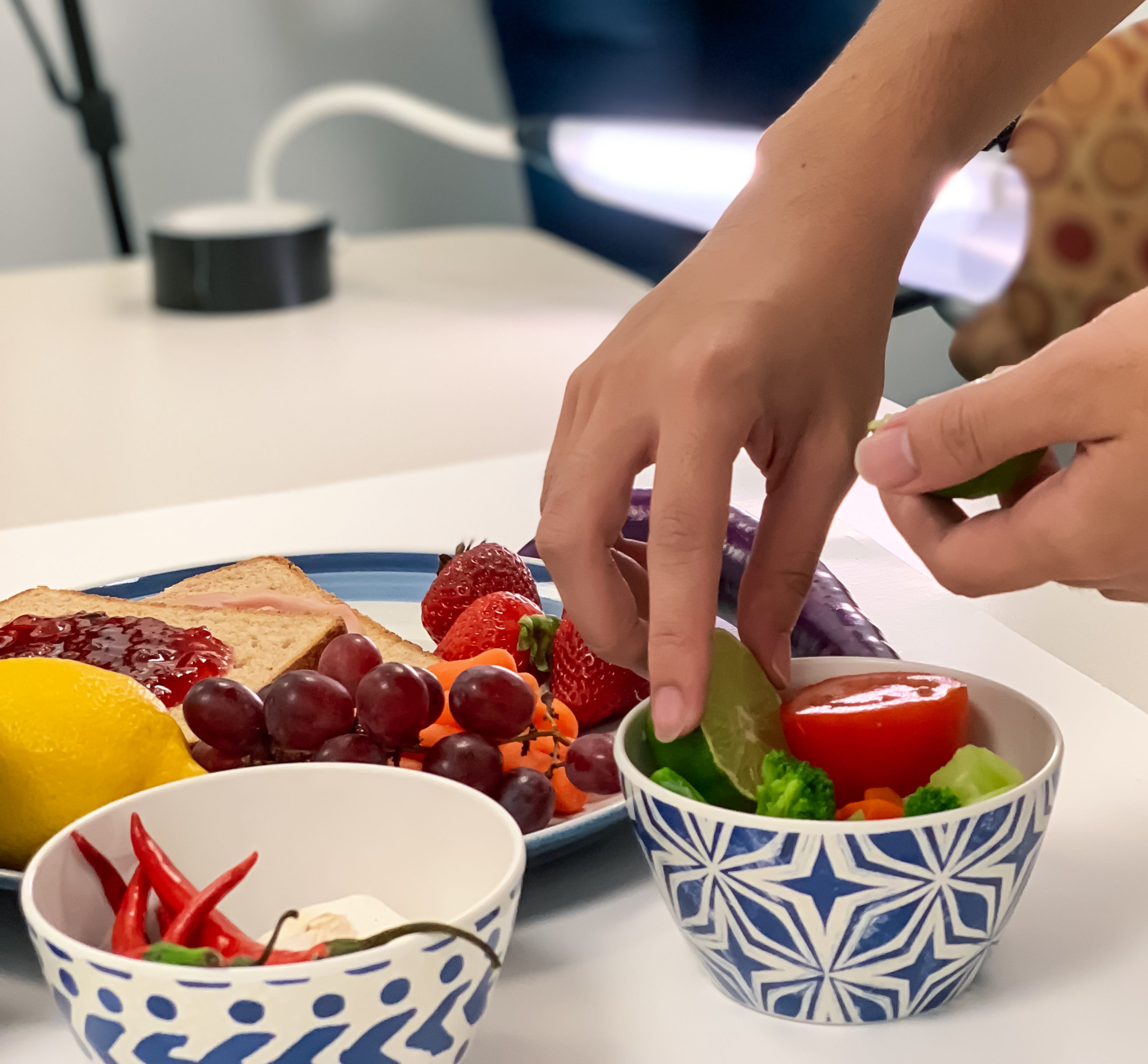
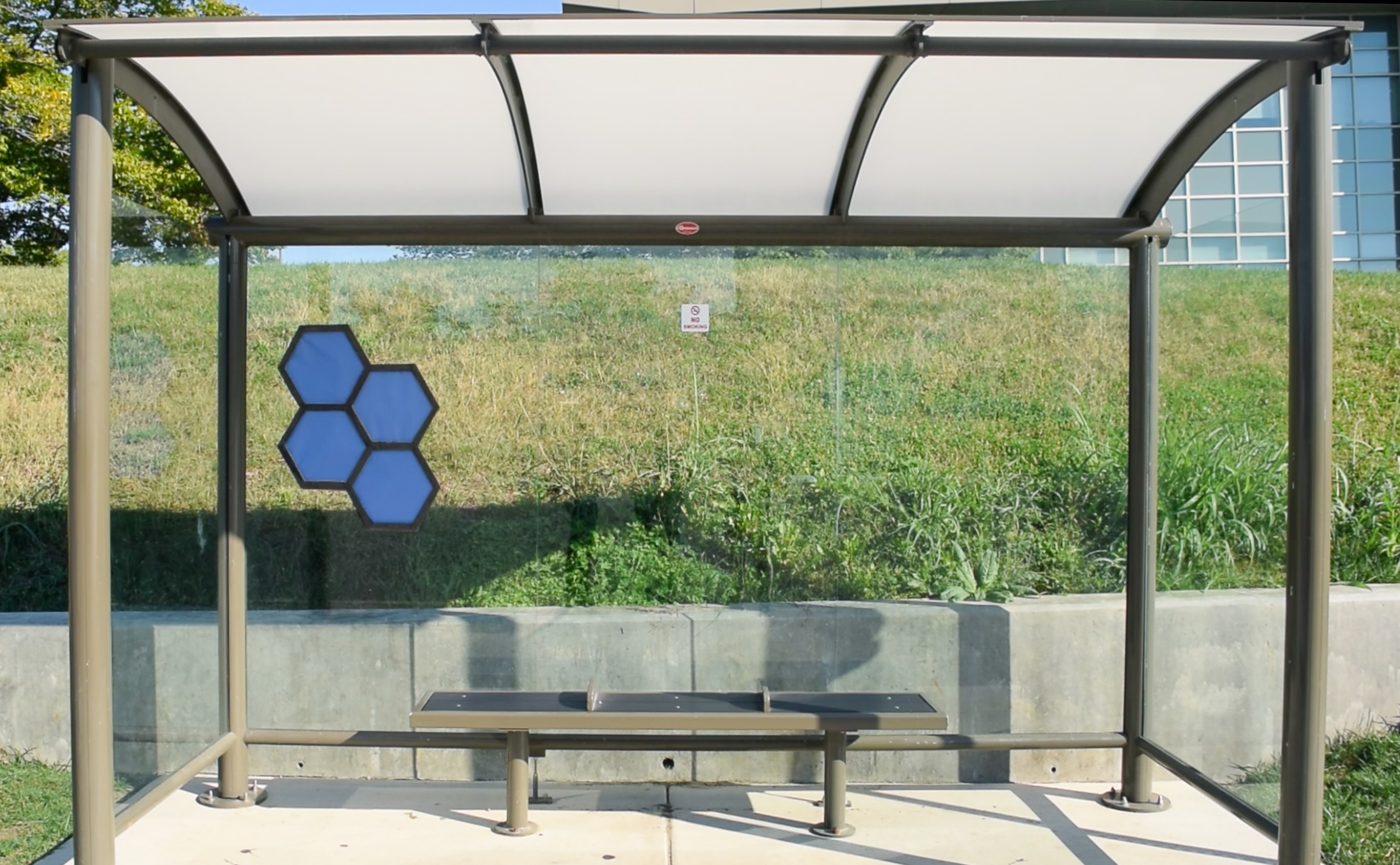
We created our physical prototype out of cardboard and placed it in a public setting. We chose bus stop in this case, but it can be situated in any strategic public place like a grocery store or farmer’s market. With our prototype ready we decided to capture its usage and the interaction.

.jpg)


If each person plants a flower in their garden, it would go a long way for making food available for bees. For them plants are the source of nectar. This is only possible if more people are made aware of this problem that affects all.
Through interacting with bee better, we hope that people are better aware of the importance of flowers for survival of bees and how crucial bees are, not just to our local town, but to the world and the existence of all lives.

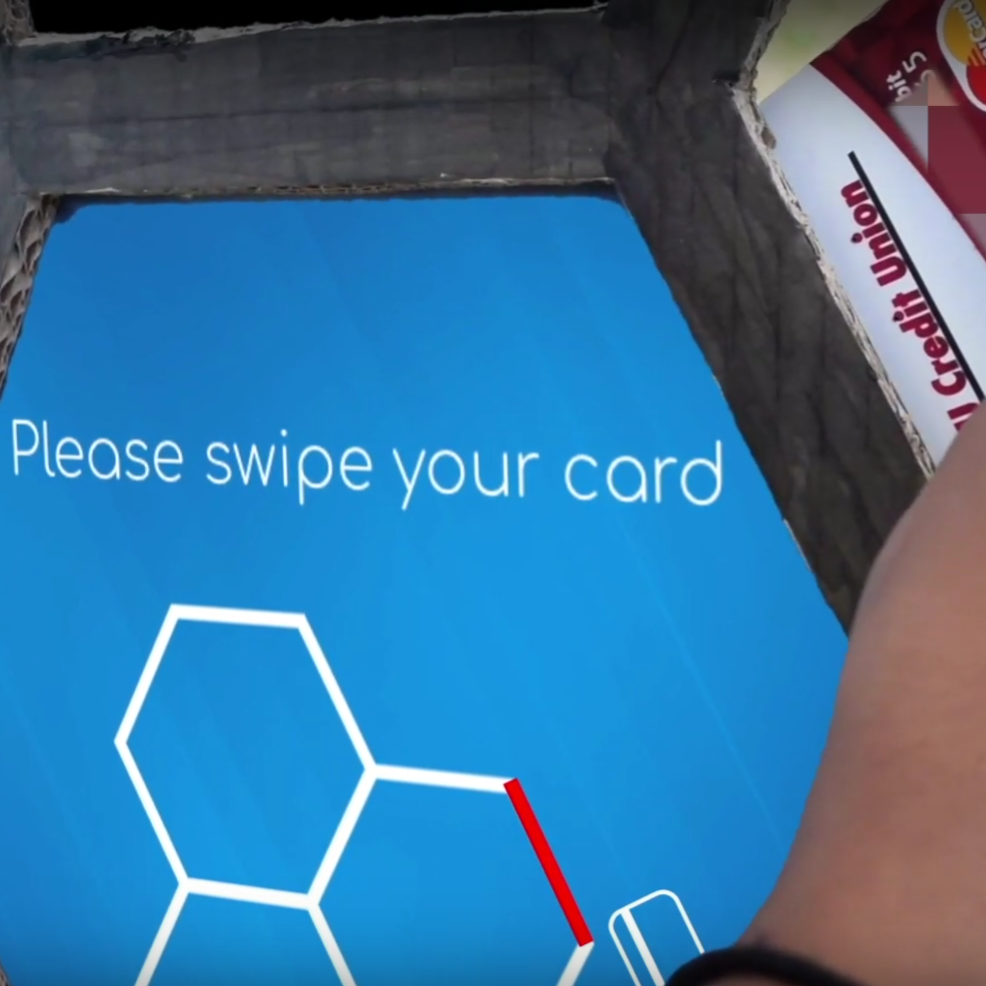
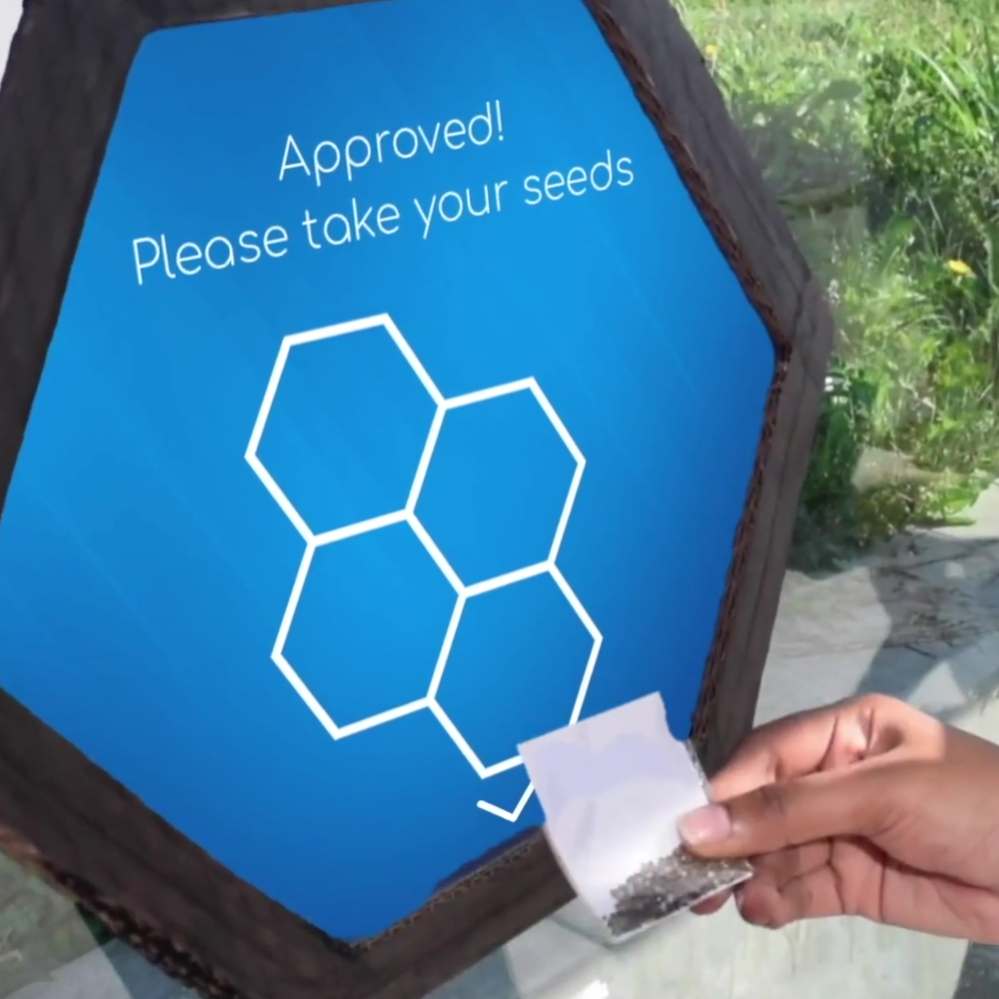
For individuals who are willing to buy bee-friendly flowers and plant them in their home or garden, they are able to do so by selecting the type of flower, quantity and pay via card or quarters. Since this is a public setting, we would like to use a payment method that is both fast and secure. This section also has instructions for planting the flowering seeds, and seeds that are popularly bought, to invoke a sense of caring that is present in the community. Thus, through the combined effect of empathy, education and intervention, we want to create an impact for sensitivity towards bees in the local community and help their survival.